
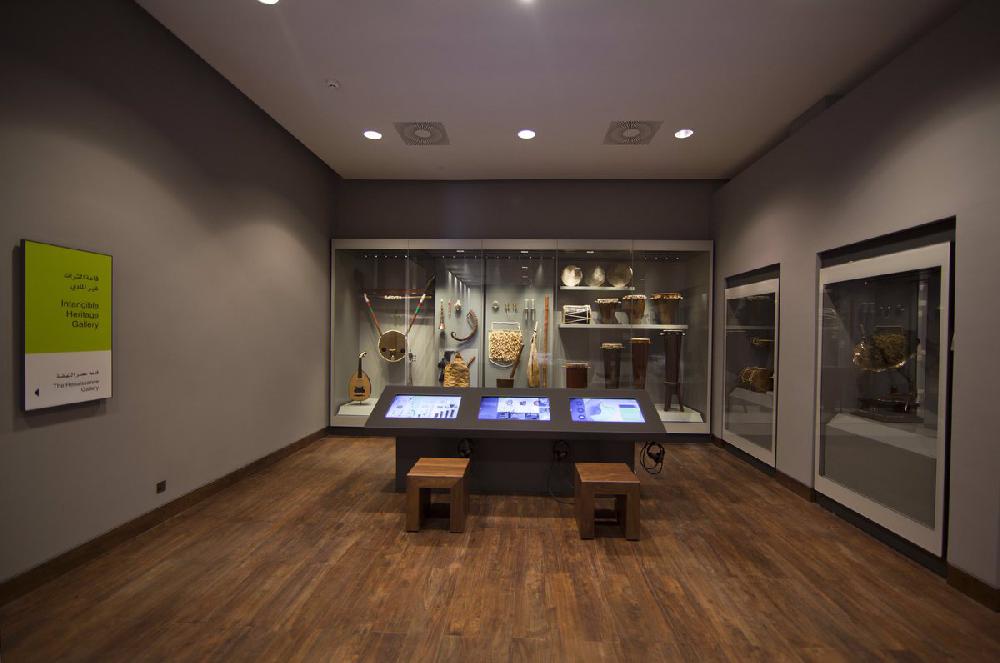
The Sultanate of Oman has a well-earned reputation for investing in its heritage, and taking exceptional care of its historical treasures. It recognises the role museums play in reflecting the dialogue of culture, languages, history and civilisation. Museums can avail of state-ofthe-art tools to illustrate to maximum effect the interaction of past cultures and how they have influenced society, bringing knowledge, linking people and preserving human history.
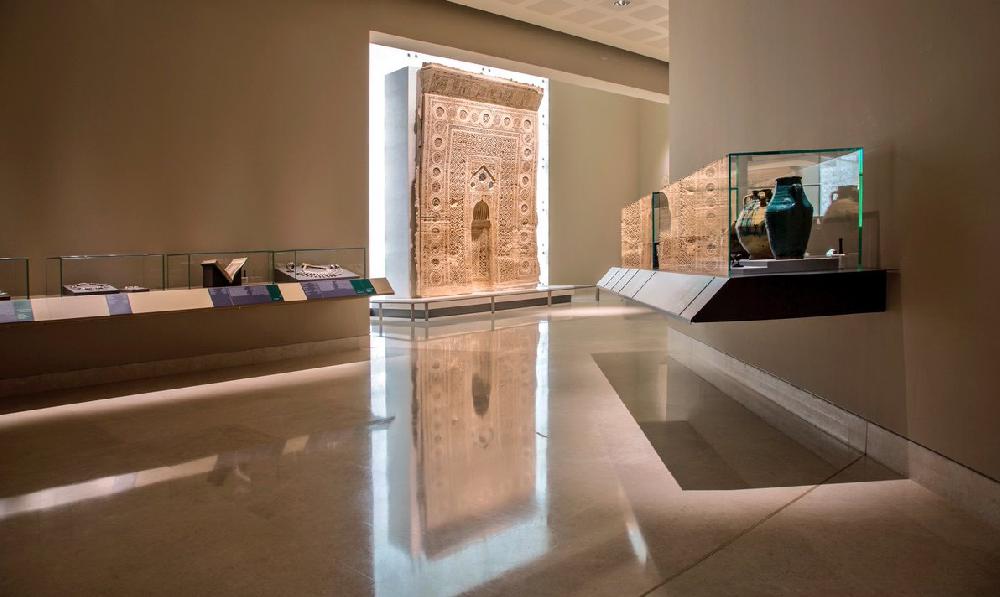
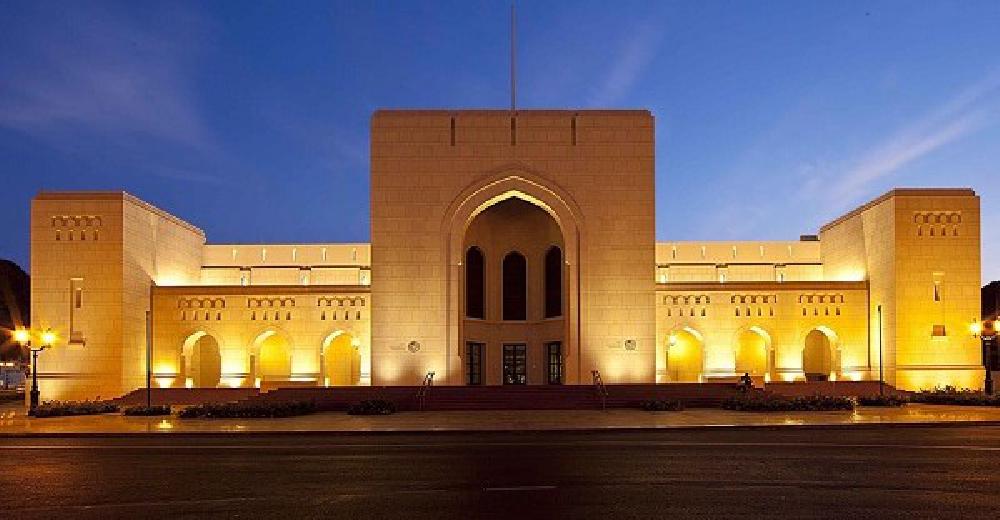
The National Museum is the Sultanate of Oman most prominent cultural edifice. It is dedicated to highlighting the nation’s many-faceted heritage, from the birth pangs of human settlement in the Arabian Peninsula many millennia ago and up to the present day. The National Museum was established by Royal Decree No. 62/2013, promulgated on 20 November 2013. It was officially opened on 15 December 2015. The museum houses more than seven thousand archaeological artefacts, most of them of rare or unique value, as well as tens of thousands of other display items systematically arranged to illustrate the narrative of human evolution in Oman from its earliest days to the present time. The Museum’s holdings have been enhanced by the acquisition of 643 items through purchase, gift, loan and commission.
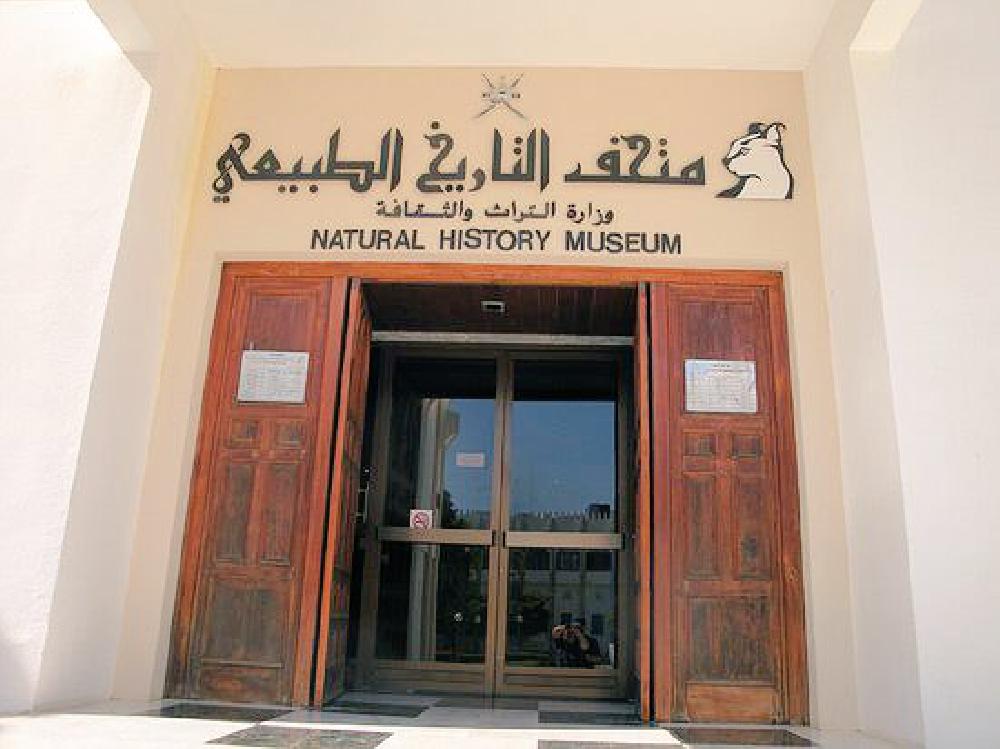
Meanwhile, 706 museum pieces have been restored and reserved, most notably the Sinaw treasure, consisting of the largest hoard of Islamic coins discovered in Oman to date. In November 2019, the National Museum was unanimously accepted as a member of the Asian National Museums Association, becoming the first museum from the Middle East and Arab world to be adopted by the association. In addition to the National Museum, the Ministry of Heritage and Tourism oversees several other publicly-supported museums, in cluding the Natural History Museum, opened in 1985, which showcases the many diverse aspects of the Omani environment through illustrated descriptions of terrain, geology, vegetation, insects, and marine life.
The Children›s Museum, which opened in 1990, is a science and technology learning resource that introduces modern inventions and delivers scientific knowledge in a simplified and child-friendly manner that easily conveys a sense of the vital role of science in life. The Omani-French Museum was inaugurated in Muscat in 1992, with a mission to highlight the historical relations between 18th-century France and Oman. It is located in the building that was once the French consulate and consists of eight halls.
The museum houses a collection of documents that chronicle Omani-French relations, alongside traditional costumes from the two countries, a selection of jewellery and antiques, and models of Omani and French ships. In Sohar Fort, a museum was opened in 1993 and its contents deal with the history of the city of Sohar and its cultural and economic relations.
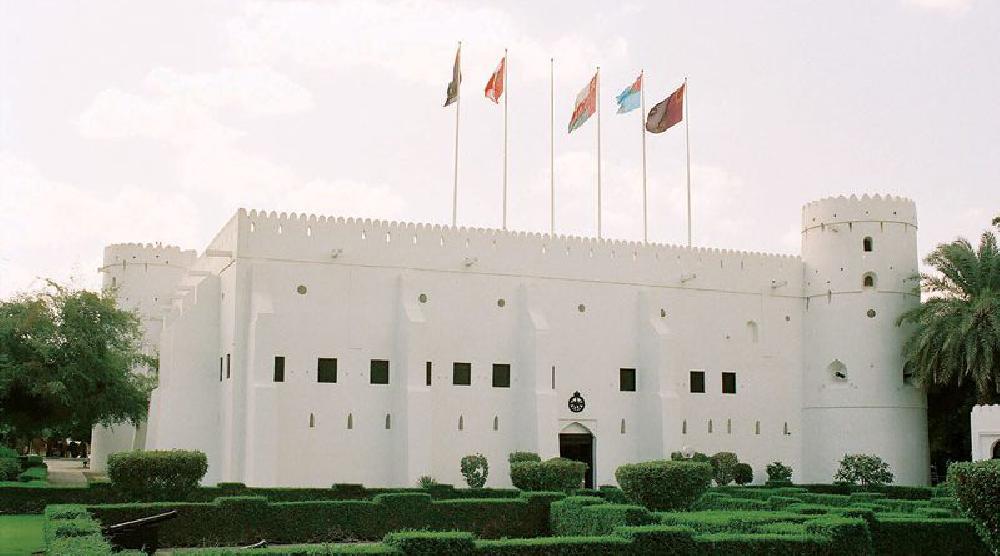
In 2008, the Sayyid Faisal bin Ali Museum was inaugurated. The Ministry of Defence oversees the Sultan›s Armed Forces Museum, which was opened in 1988 at the Bait al Falaj Fort in Ruwi. The museum contains exhibits that illustrate the highlights of Oman’s military history. The Muscat Gate Museum, which takes the visitor on a tour of Muscat, highlights the city’s growth from a commercial harbour to a prosperous capital city. It contains displays illustrating the city’s development from ancient times.
The Land of Frankincense Museum, inaugurated on 23 July 2007 within the perimeter of the al Baleed archaeological site in Dhofar, includes a historical hall with six sections documenting Oman’s history across the ages, and a maritime hall devoted to Oman’s illustrious seafaring and boatbuilding history. The Oil and Gas Exhibition Centre portrays the history of the formation of oil over different periods and the stages of its extraction and narrates the story of oil discovery, in the Sultanate of Oman in particular. ,
The Central Bank of Oman’s Currency Museum, situated within the bank›s premises, reviews the chronology of currency exchange in the Sultanate of Oman and showcases both old and modern currencies, including banknotes and coins which were exchanged during the early stages of the Islamic era. There are privately-owned museums, such as Bait al Zubair Museum in Muscat, which opened in 1998 and houses valuable displays of collectibles and costumes from the various governorates of the Sultanate of Oman.
Ghaliya’s Museum of Modern Art, opened in 2011 on the Mutrah corniche, has rooms representing the typical modern house in the period from the beginning of the 1950s to the mid1970s. On 8 January 2014, the Education Museum at the Saidia School in Muscat was opened. The museum documents the evolution of public education in the Sultanate of Oman. The Saidia School itself occupies a prime and prestigious position in this story and was the inspiration for the foundation of the museum.