


Libraries are the tributaries of culture and knowledge and the title of the progress of peoples and civilizations. The Omanis are pioneers of science and civilization, and they are interested in writing books and encyclopedias. The libraries of the Sultan Qaboos Center for Culture and Science in the Royal Court is among the first of the most distinguished cultural and scientific sites to attract researchers, interested people and the general public. These libraries contain numerous cultural treasures in various human and scientific. Libraries have continued to expand their acquisition of sources of information in various subjects to achieve the aspirations and needs of interested and researchers.
The Department of Library Affairs in the Sultan Qaboos Center for Culture and Science oversees (25) libraries, including public libraries, the libraries of the Royal mosques and the libraries of institutes of Islamic sciences.
The Center's libraries aim to:
- Making sources of information available to all beneficiaries.
- Encouraging citizens to read through the provision of various services.
- Contributing to raising the cultural and intellectual level of individuals by encouraging self-learning and enabling them to access information relevant to their studies and research.
- Promoting and enriching cultural life in the community as a center for the provision of reliable information, as well as collecting, documenting and preserving Omani heritage and making it accessible.
- Communicating with the local community and meeting its needs through the establishment of cultural programs, training courses and workshops that contribute to building a promising future for youth.
In this sense, the project of the Public Children's Library came to express a sincere desire to take care of children and to achieve the goals and objectives of instilling the importance of reading in the hearts of our children.
The Children's Library building is one of the largest specialized libraries for children in the region. The library seeks to raise awareness of the importance of reading by urging families to take to their children to the library and share important times in their lives.
The design of the library building considers all groups, including those with special needs. The library building also has unique design and equipment, which gives readers a suitable environment for reading and enhancing knowledge for different age groups. The library works on various modern techniques that attract children and help them to acquire knowledge.
The library now has 10,000 titles, with maximum capacity of 70,000 titles, a dream that the board seeks to reach and targets the age group from 3 years to 17 years.
The Library also provides technical aids for people with disabilities from the blind, visually impaired and deaf. There are services for audio stories. The library aspires to open an innovation center and a virtual reality center. It also provides books in Arabic, English and some other languages, in addition to electronic books.
Sultan Qaboos Grand Mosque Library, which is under the supervision of the Grand Mosque, is considered as one of the cultural landmarks of the contemporary Omani renaissance. It aims at spreading culture among all members of the society of all educational levels or cultural interests. The inauguration of the library coincided with that of the mosque on 04/05/2001, under the auspices of His Majesty the Sultan Qaboos Bin Said, may God Almighty bless him with good health and long life.
Sultan Qaboos Grand Mosque library is keen on developing its collection and adding to it a good selection of various additional sources of information through local exhibitions and the latest publications in both Arabic and English languages, in addition to some other languages used by the different society categories in order to achieve the following objectives:
Educational objective: through the provision of different references, books, sources of information and tools which help in the self-learning process and in the preparation of scientific research.
Cultural objective: through cultural awareness-raising among the community members, and facilitating their access to sources of information which could help them enrich their culture.
Information objective: represented by the provision of knowledge tools and information sources with the easiest ways, least amount of efforts and quickest time to serve scientific researches.
Promotional objective: represented by the library’s contribution in individuals investing their time in beneficial and entertaining things, while encouraging them to read and develop their knowledge and technical skills.
The Knowledge Library:
The Knowledge Library was established on 13/11/1990, based on to the instructions of His Majesty Sultan Qaboos Bin Said, during the celebrations of Oman’s 20th National Day.
The library deploys assiduous efforts to spread knowledge and culture within the Omani community, while seeking to provide high performance and distinction in addition to fulfilling the community’s needs.
The library provides several services to the public, mainly to all categories of students, researches and scholars, by offering a valuable collection of various information sources in English and Arabic of different levels so that they suit all ages.
The number of books currently available in the library exceeds 22000 books. The library has also subscribed in a collection of electronic database in Arabic and English while its hard copy contains a collection of magazines and scientific journals.
The library is one of the largest Omani libraries. It is sought by researchers, higher studies students to help them in their research. It is worth mentioning that His Excellency Sayyid Mohammed – May he rests in peace – equipped it with best manuscripts and printed sources, by which His Excellency’s life is reflected. Each manuscript or printed document is linked with a story and rich details describing his journey to obtaining them.
- This cultural landmark, which is visited one day by His Majesty the Sultan, contains historical treasures, documents, manuscripts, coins and artefacts aiming to preserve the Sultanate’s historical heritance.
Library aims to provide rich information sources covering all fields of science and human knowledge, and offers excellent reference services by highly qualified staff to create an attractive environment for study and research, through provision of appropriate library facilities. And to be a leading research center and unique model for providing excellent information services and strive to play a distinctive and leading role in promoting scientific research at local, regional and international levels.
- Sultan Qaboos University Library
- Library of the Faculty of Medicine at Sultan Qaboos University
- Library of Oman Chamber of Commerce and Industry
- University of Nizwa Library
- University of Dhofar Library
- Al Nadwah Library
- (Kawkab Al Ma’rifah) Knowledge Planet Library
- Royal Hospital Library
There are also 69 public libraries in various governorates and towns of the Sultanate.
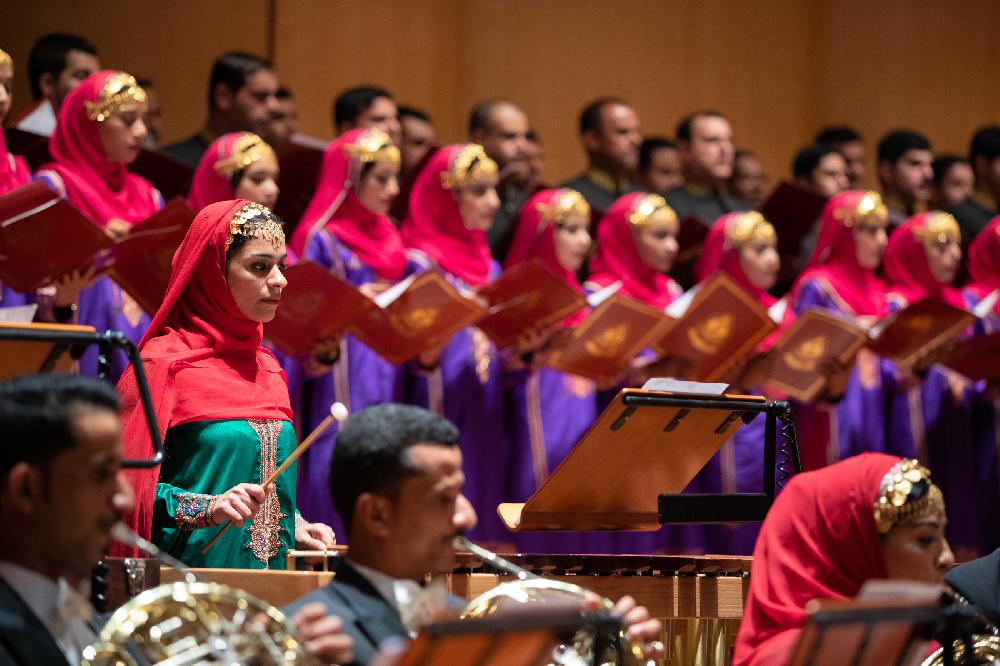
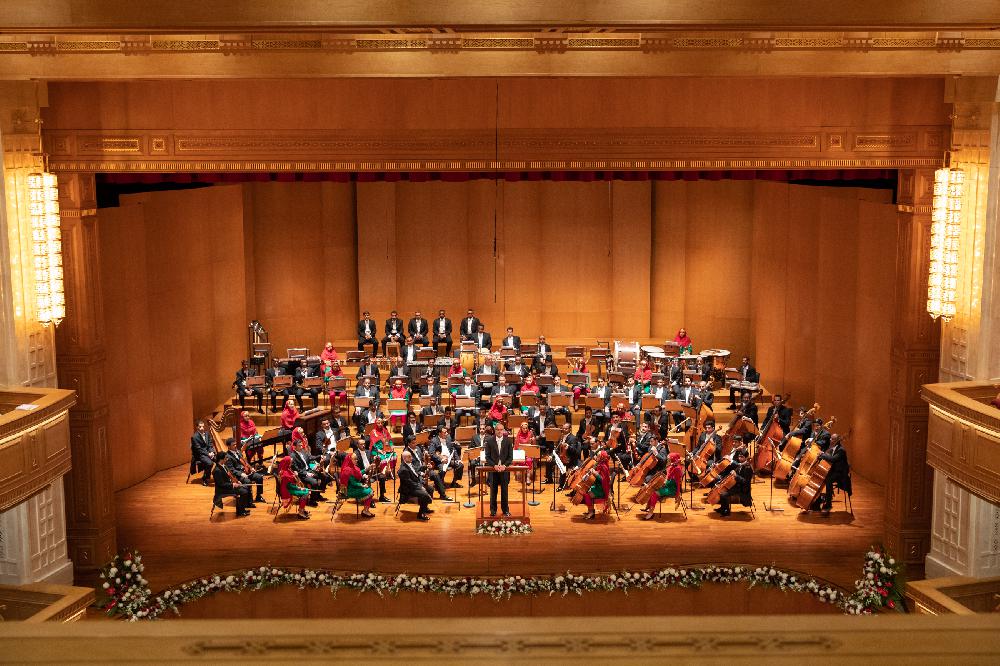
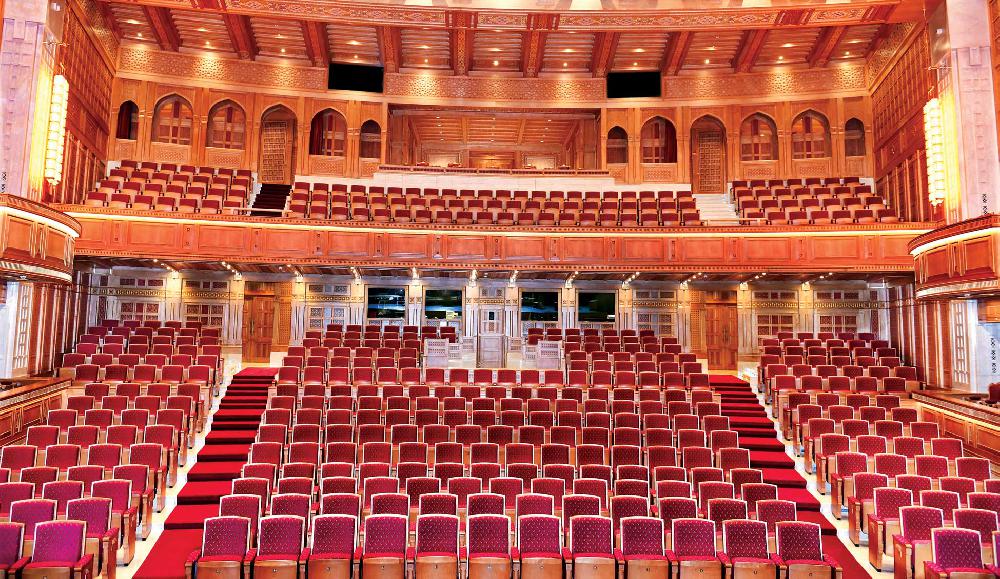
Royal Opera House Muscat is the leading arts and culture organization in the Sultanate of Oman. Located in Muscat, Oman, the vision of the Opera House is to serve as a centre of excellence in global cultural engagement. We strive to enrich lives through diverse artistic, cultural, and educational programs.
The multidisciplinary work of Royal Opera House Muscat showcases rich and diverse artistic creations from Oman, the region, and the world; provides a space for culture and socioeconomic development reflections and actions; inspires audiences and nurtures creativity with innovative programs; fosters cultural vitality and unleashes talent; promotes cultural tourism; and puts cultural diplomacy into practice by reinvigorating global and multi-disciplinary collaborations and exchanges.
The leadership of the Royal Opera House Muscat is guided by the vision of His Majesty Sultan Qaboos bin Said. At His Majesty’s directives a High Committee, spearheaded by His Highness Sayyid Fahad Al-Said, Deputy Prime Minister for the Council of Ministers, was formed to follow the progress of this initiative since its inception. The Higher Committee is responsible for shaping the vision of the organization and considering the policies, strategies and guidelines recommended by the Board of Directors, chaired by Her Excellency Dr. Rawya Al Busaidi, Minister of Higher Education.
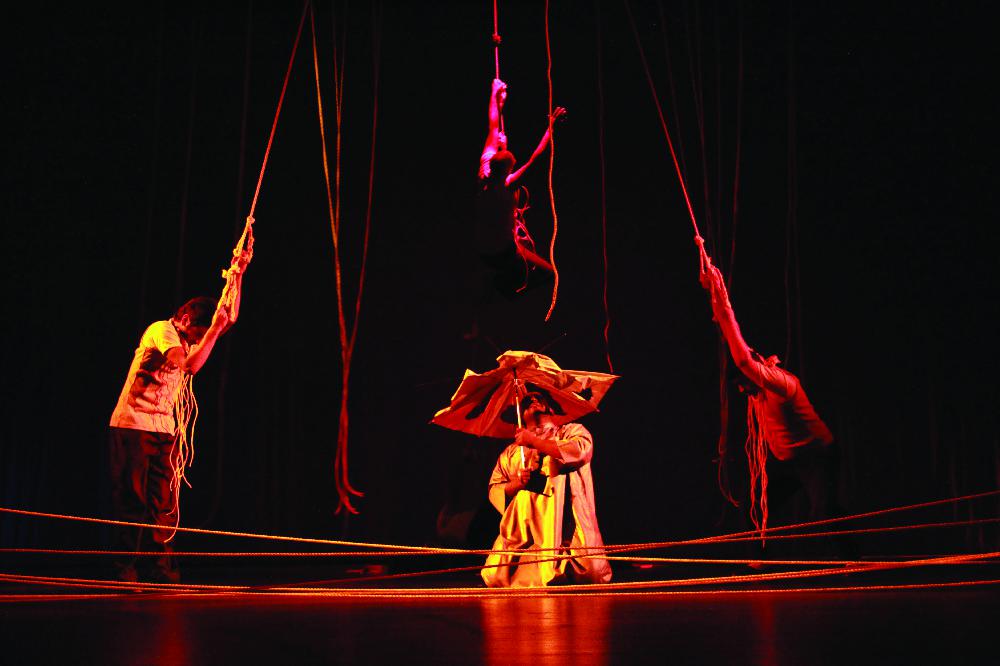
The Sultanate of Oman is interested in theater and its development and the Omani Theatre Festival is a reflection of the belief of the Ministry of Heritage and Culture in the crucial role theatre plays in raising cultural awareness in society and in reinforcing its authenticity and specificity.
Blending originality with contemporary elements, the festival provides artists with a healthy competitive atmosphere in which to polish their skills, thus enhancing the overall cultural development of the Sultanate of Oman.
The festival provides a friendly competitive environment between private and youth theatre groups to compete with informative works in front of a jury comprising some of the most prominent playwrights, directors and actors in the Arab world.
Prizes are awarded for best performance, best playwright, best director, best scenography, best actor and best actress. A number of activities are organised alongside the main competition, including critique discussion meetings and workshops, and recognising and paying tribute to the most prominent theatre figures in the Sultanate of Oman, the Gulf and the Arab world.
A plethora of celebrities on the Gulf and Arab theatrical scene are invited to the festival thus creating an opportunity for Omanis to benefit from their experience and to exchange views about theatre in the region and the Arab world.
The Festivals Department also increased the value of prizes and has introduced new categories in order to cover other areas of drama. The department offers full sponsorship to the laureate in the professional category to represent the Sultanate at Gulf, Arab and international festivals.
The festival has been successful in identifying a number of talented theatre groups and promising actors who are able to promote the theatre movement in Oman.
• The First Omani Theatre Festival – 22nd September to 12th October 2004.
• The Second Omani Theatre Festival – 27th March to 5th April 2006.
• The Third Omani Theatre Festival – 17th to 26th October 2009.
• The Fourth Omani Theatre Festival – 19th to 28th December 2011.