
Reserves
Al Jabal Al Akhdhar Sanctuary for Natural Sceneries
This rises to a height of 2,980 metres and is famous for its wide plateau close to the summit. The journey from Muscat to Al Jabal Al Akhdar takes about two hours and can only be undertaken by four-wheel drive. Al Jabal Al Akhdar is known for its Mediterranean climate. Temperatures drop during winter to below zero Celsius, with snow falling at times, and rise in summer to 22 degrees Celsius. Due to its location and unique weather, the Green Mountain produces a variety of fruits, such as apricots, plums, figs, grapes, apples and pears, as well as almonds, walnuts and saffron. The pomegranate that grows here is classified among the finest of its kind in the world.Spread across the mountain are many Omani villages. Villagers have dug terraces in some parts of the mountain for growing crops.
As Saleel Nature Park
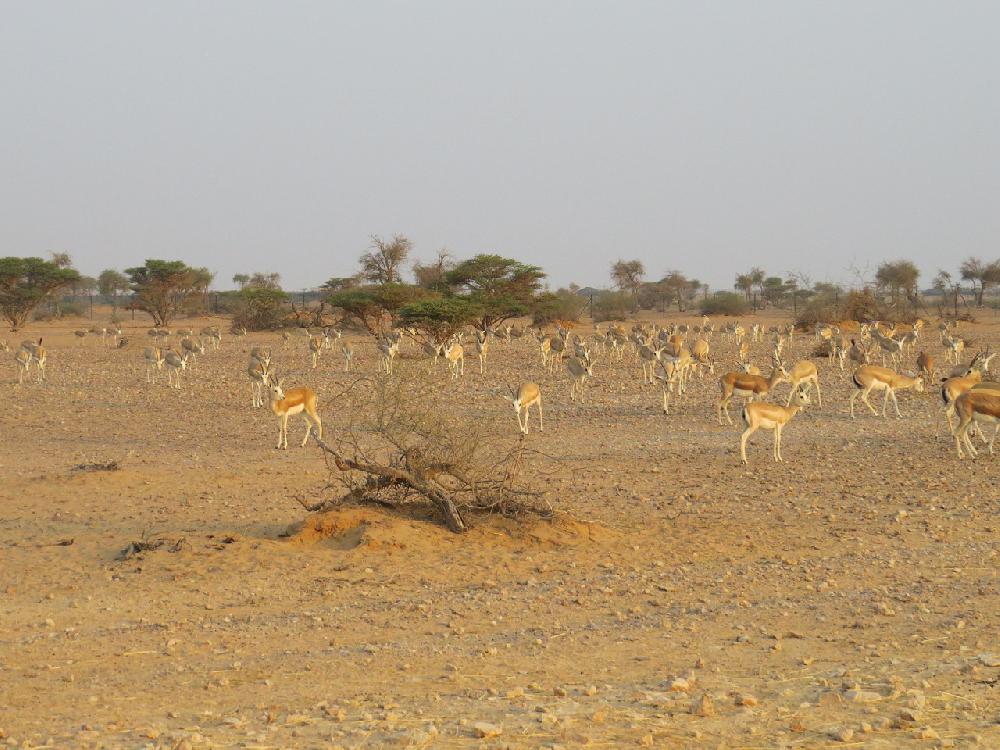
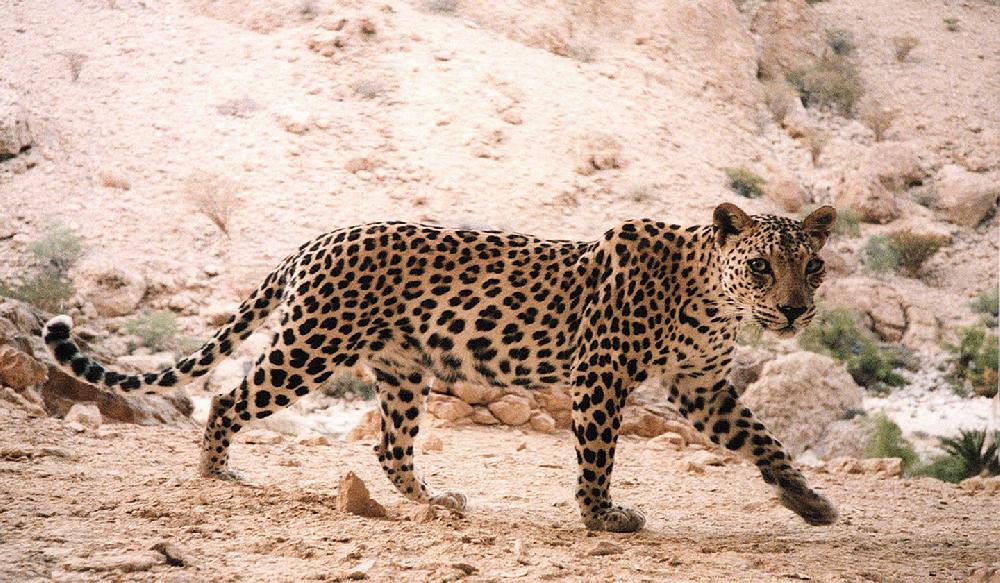
The Park is located in wilayat AL Kamil W'al Wafi in Al Sharqiyah South Governorate, and lies 57 kilometres from wilayat of Sur. It extends over an area of 220 square kilometres, and is predominantly covered by forests of acacia trees. It is home to a number of rare species such as the Arabian gazelle, the Omani wild cat (“Al Senmar”) and other animals which have made this environment their home, including the red fox, the Egyptian Eagle and others.
Al-Dimaniyat Islands Nature Reserve
Al-Dimaniyat Islands Nature Reserve is located in Wilayat AlSeeb in the Muscat Governorate and Wilayat Barka in Al Batinah South Governorate , and lies about 18 kilometres off the coast of Barka (70 kilometres west of Muscat, the capital). Its total area is 100 hectares (247 acres) and is composed of nine islands. The reserve features pristine beaches on which the white sands are caressed by the sea’s crystal blue waters. This reserve has a rich natural heritage and is replete with several kinds of coral reefs, including some examples that are quite rare.
The island is home to a large number of sea turtles that lay their eggs and nest there, as well as a magnet for migratory and indigenous birds. In 1984, the reserve was recognised internationally because it is located within the project of the Great Barrier Reef, considered an international nature reserve and one of the most beautiful diving locations in the Sea of Oman. Locally, the islands go by the following names: Kharabah, Huyoot, Al Jabal Al Kabeer (Um As Sakan). The latter is divided into two islands: Um Al Liwahah (Minaret) and Al Jawn that includes three islands. These islands contain more than 22 known diving sites, in addition to being perfect for snorkelling. Also, some people like to camp in the islands, especially in the period from October to February.
Wadi Sireen Reserve
The Reserve is located in the eastern AlHajar Mountains about 45 kilometres south of Muscat. There a large number of wild animals in the area, such as the Arabian Tahr and deer. The Arabian Tahr, a unique animal that lives among the mountain cliffs and rocky slopes, is considered one of the rarest of all these animals. Its presence in the Arabian Peninsula is limited to the Sultanate of Oman, and is indigenous to Hajar Mountains. The Arabian Tahr is the smallest of its species in the world. It has a short body, hooked horns in both sexes, reddish-brown hair, as well as a dark line that extends along the back. The male Tahr has a long mane that covers its entire neck and continues to grow as the animal advances in age.
Turtle Reserve
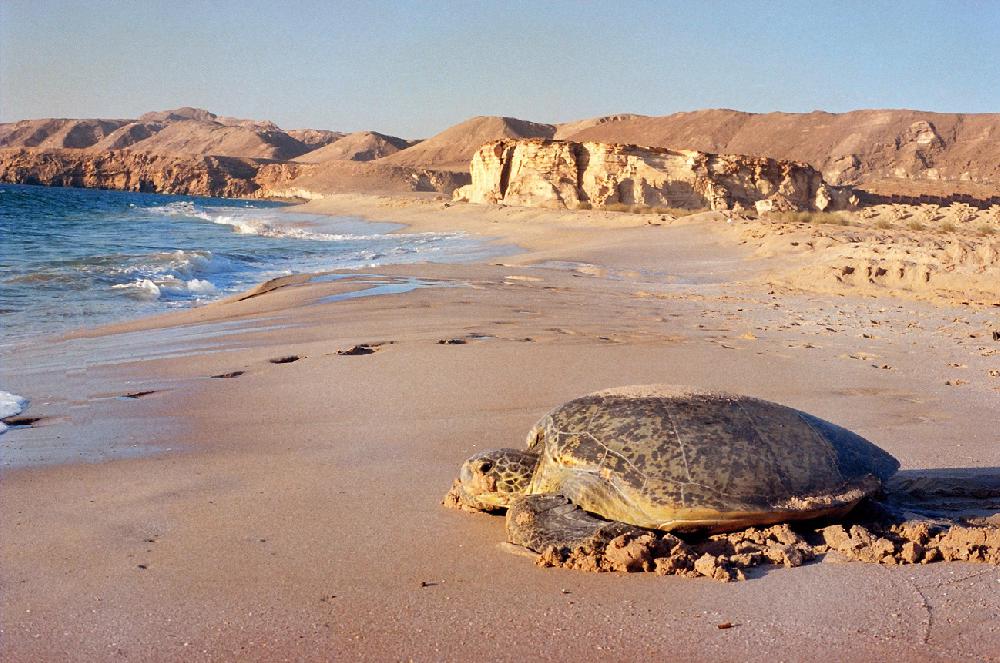
The beaches extending from Ras Al Hadd to Masirah Island in the Al Sharqiyah South Governorate are considered a turtle reserve, including the green turtle, which is a rare turtle that returns every year to lay its eggs on the same beach where it was born decades ago. Ras Al Jins is a quiet sanctuary for turtles where they lay their eggs, securing the continued survival of the species and protecting them from extinction. Apart from the turtle breeding season (which extends throughout the year in varying degrees), you can enjoy the beauty of the beach and view the magnificent tracks left by the turtles. A scientific centre has been established containing illustrative displays of the turtles laying their eggs. The reserve is 65 kilometres east of Sur City and can be reached through Al `Ayjah village.
Al Wusta Wildlife Reserve
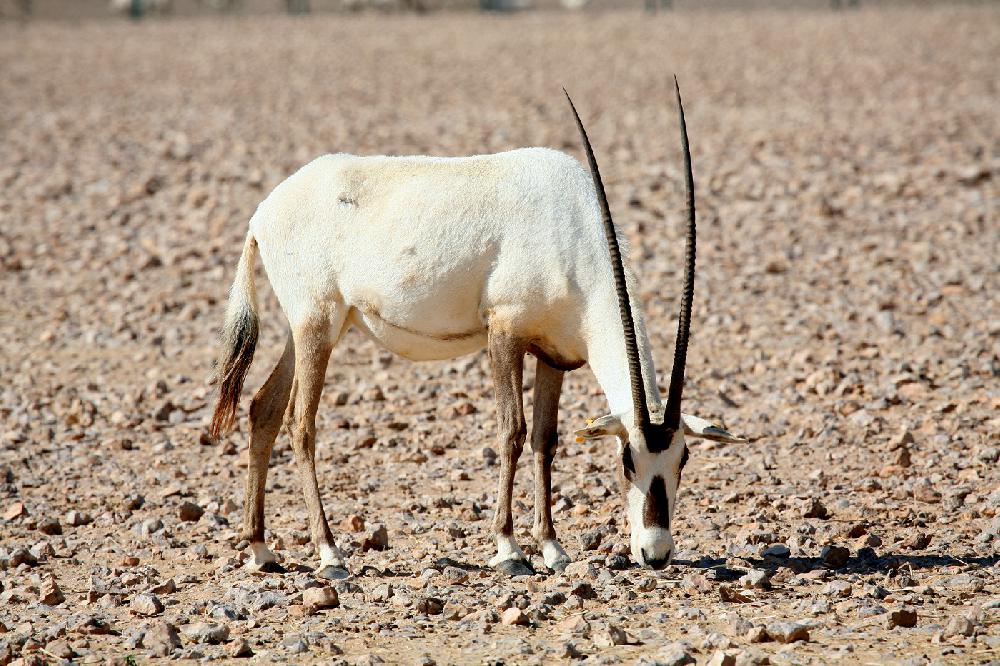
This reserve is located in Al Wusta Governorate between the Central Desert and the coastal mountains. Seasonal fog and dew drops play a role in shaping the desert environment and allow the growth of some endemic plants, which were fed by the Arabian Oryx in the wild. The reserve is home to many types of wildlife, including the Arabian Oryx. It was declared the first natural reserve in the Sultanate on 18/1/1994 and it was chosen by UNESCO in 1994 as a natural heritage site.
Bandar Al Khiran Reserve
Itis 30-40 minutes by boat from Bandar Al Rawdah Marina, which is located in the heart of Muscat city. Your boat trip is likely to be accompanied by some dolphins. The visitor can see rocky mountains and small white houses directly overlooking the sea. The visitor walks through the Al Bustan Palace Hotel, which overlooks its beautiful beach and Bur Al Jissah Resort. There are many coral reefs in Bander Al Khiran, where many species of animals and fish inhabit. There are more than 22 dive sites, each with its own charm and beauty.
Jabal Samhan Reserve
Jabal Samhan Nature Reserve in Dhofar Governorate is one of the largest reserves of rare animals in Oman because it hosts many wild animals that have found this place safe to live in. Jabal Samhan consists of a series of mountain peaks separated by deep valleys and narrow pools of water and it reaches a height of more than 4000 feet. In such highlands and valleys, animals such as Nubian ibex, gazelle, stripped hyena, lynx, wild cat, fox, porcupine, hedgehog and hyrax live there. Some of the valleys, such as Wadi Sinyak, offer natural sites for the lives of rare species of birds such as herons and tropical birds. Jabal Samhan extends to a wide area of about 1,500 meters from the depressions overlooking the hills between the Wilayat of Mirbat and the Wilayat of Sadah.
Dhofar Lagoons
Lagoons abound in Dhofar Governorate, and vary in size from a few hectares to more than one hundred hectares. Some of these lagoons have been established as nature reserves. There are eight reserves, namely:
Khawr Ruri
Khawr Ruri is the largest reserve in the Governorate of Dhofar. It is considered the most attractive to tourists as it contains Khawr Ruri port, famously known as Samharam. Nearby, there are important ruins that date back to prehistoric times. The port was often mentioned in Greek, Hellenic and Arabic historical scrolls, being the main port for the export of frankincense in Dhofar.
Therefore the khawr (lagoon) has gained special status, as it is not only a nature reserve, but an important heritage reserve as well, and has been included in the World Heritage List. Before that, it was a natural reserve helping to maintain the biological balance, where many fish, birds and plants live. The lagoon is connected to Wadi Darbat.
Khawr Al Baleed
This lagoon takes its name from the ancient city which lies on the banks of this lagoon. The lagoon flanks the city on the east and north. In ancient times, this lagoon was connected to the sea and used as a natural port due to its depth in some parts. The region is currently on the World Heritage List and the khawr is protected. The importance of this place lies in its combination of archaeology, history and nature. The archaeological park is considered to be the first of its kind in the Sultanate of Oman, serving to protect natural resources, attract tourists to the site and inform people of this important ancient city in the Governorate of Dhofar.
Khawr Sawli
Khawr Sawli, located in Wilayat Taqa in the Governorate of Dhofar, is amongst the most important lagoons regarding the number of plant, animal and micro-organisms that live in the lagoon, and is one of three lagoons in the Governorate that were used in ancient times for nautical navigation.
Khawr Al Maghsayl
Khawr Al Maghsayl lies at the eastern end of Jabal Al Qamar (Moon Mountain) in the Governorate of Dhofar. The area of this lagoon is about half a square kilometre, its length is about three kilometres and its width 150 metres. The lagoon’s importance lies in maintaining important species of indigenous and migratory birds which inhabit the lagoon due to the abundance of food throughout the year. Some birds migrate from Africa, some from Europe and others from India, while others are permanent residents of the lagoon. Photography fans or bird watchers can watch these birds any time of the day.
Khawr Awqad
This lagoon is located in the Dhofar Governorateat the outskirts of the ancient Awqad city. Its area is about 16 hectares (40 acres) and is one of the sites frequented by birds nesting throughout the year, such as the egrets, herons and Abu Mahgl, amongst others.
Khawr Al Qurm AlSagheerand Al Qurm Al Kabeer:
These two lagoons are located near the Hilton Hotel Salalah in the Governorate of Dhofar.
Khawr Ad Dahareez
In its location and importance, this lagoon is similar to Khawr Awqad. Khawr Ad Dahareez is located at the eastern entrance of Salalah city in the Governorate of Dhofar. Its waters intermingle with Salalah basin waters, especially the wells located on the coastal strip. This lagoon is important to biodiversity as it is heavily frequented by migratory birds.
Khawr Taqah
Khawr Taqah is located at the western entrance of Taqah City in Dhofar Governorate. The lagoon occupies about 2 square kilometres. Khawr Taqah is filled with places in which freshwater varieties of plants grow, as well as other plant types that need a high level of salinity. This contributes to the presence of an abundant marine life here, in addition to many types of birds.
A'Sharqiyah Sands
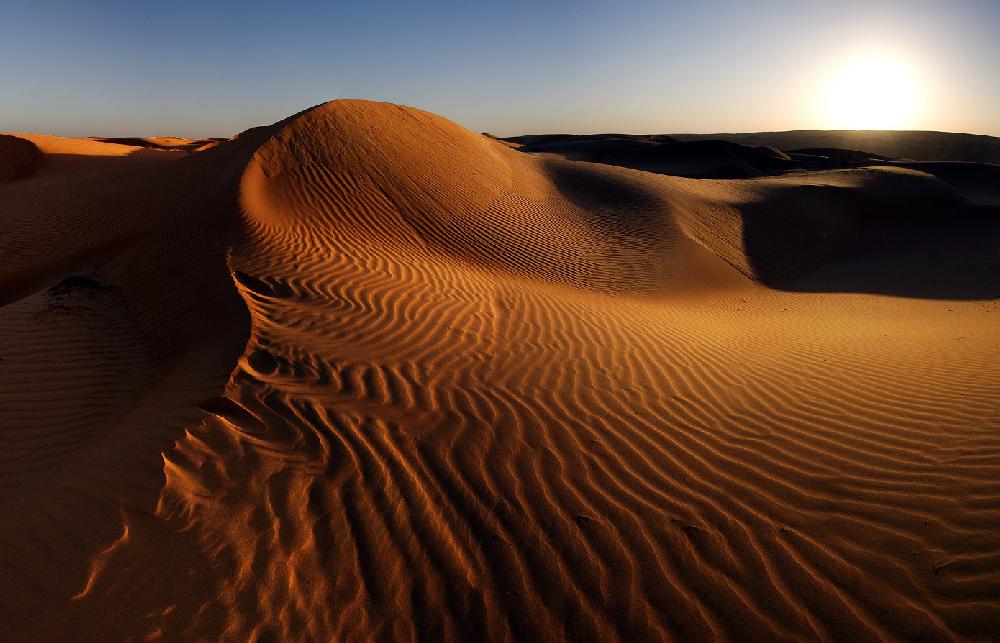
A'Sharqiyah Sands are considered among the most beautiful camping areas in the Sultanate of Oman and extend over an area of up to about 10 thousand square kilometres. The Sand colours range from red to brown as far as the eye can see. It is the original homeland of the Bedouins. This area attracts many desert adventure fans, and is preferred by visitors owing to its ease of accessibility and availability of nearby services, which make it a first class tourist attraction. Also, tourist camps that make the sands their home base offer a variety of services in this sea of golden sand and have played an important role in promoting A'Sharqiyah Sands. Wilayat Badiyah is a beautiful oasis locatedat the entrance of A'Sharqiyah Sands. It is considered a starting point to explore the depths of the sand and enter into a world full of excitement and vitality, away from the bustle of the city and a change from daily routines.
These sands embrace many oases. For example, Al Raka Oasis, which is surrounded by sand dunes on three sides and forms a spectacular landscape, as well as Shahik Oasis and Al Hawiyah Oasis, the largest oasis, which contains a number of trees and is surrounded by sand dunes that form a splendid scene. Al Hawiyah Oasis is considered a vivid example of this unique mixture, for it is embraced by the golden sands to form a peninsula of greenery, putting it on a pedestal of its own compared with other oases in the Sultanate of Oman. The sharp sandy slopes in the southern part of this oasis are one of the most beautiful sites for sand skiing. Al Aidan Oasis is so called from the shady leafy trees and the presence of a water well on this site. Accessing this oasis requires the help of a guide. Many tourist activities take place on these sands, such as sand-duning in four-wheel drive dune buggies, as well as horse and camel racing.
Bawshar Sands
Not far from the beaches of Muscat with its harmonious architecture, and within walking distance of the Sultan Qaboos Grand Mosque in the heart of the capital, the visitor will find golden hills packed with drivers who enjoy sand-duning with their SUVs, or those who enjoy gliding on the sand bikes that are easy to rent in this area. Many visitors like to climb the hills to watch the sunset bidding farewell to Muscat, with its white-washed buildings surrounded by fresh greenery on those beautiful hills.
Ramlat Tawq
Ramlat Tawq is an area of beautiful sand dunes, extending for tens of kilometres and located between Wilayat Barka and Nakhil in Al Batinah South Governorate, and is one of the sites frequented by tourists in large numbers due to its proximity to the capital Muscat.
Caves
A cave is a hole in the rock with a diameter greater than 5 -15 mm. The caves of Oman, which can be considered as geological museums hidden in the ground, are unique to the rare properties and structures that have been shaped and decorated for thousands of years. They are natural treasures and a national heritage that needs to be preserved and nurtured as an important part of Oman's natural and environmental heritage.
Most of the caves in the Sultanate of Oman are located in the mountains of Al Sharqia Governorate, Al Dakhilia Governorate, Al Dhahirah Governorate and the Dhofar mountains, the most famous of which are Majlis Al Jinn Cave, Al Kittan Cave, Al Hoota Cave, Al Falah Cave and the caves of Dhofar Governorate, including Suhur Cave, Tawi Ateer Sinkhole, Ain Hamran Cave, Wadi Darbat Caves, Al Marneef Cave and Al Mughsayl.
Suhur Cave
Suhur Cave is located in Wadi Naheez, 12.5 km north of Salalah. This cave is located in one of the limestone formations of the early period of the Triple Age. On the plateau where the cave is located there is a large entrance that overlooks the valley with its arch, which is adorned with old, large, two-meter-high pillars that stand as a guard for that lobby. In order to reach the main chamber of the cave, you have to pass the narrow passage in the north side of the entrance. This room is adorned with many beautiful cave structures such as columns and stalactites of different types (such as spikes and pointed stumps). Water droplets can be seen in many of the stalactites that are still in their formation stages. But the hallmark of this cave is that dry basin, which is 1.8 meters long and 1.5 meters wide and has traces of the water of fossilized waterfalls appear as if they were flowing yesterday. This cave is also rich in many organisms such as bats and insects.
Tawi Ateer Sinkhole (Bird Well):
It is the largest drilling pit in the world, with a size of about 975,000 m3 while its diameter is between 130 and 150 meters. Its depth is about 211 meters and it can accommodate a building of 70 floors. It is also higher than the highest pyramids in Giza by 70 meters.
Caves of Wadi Darbat:
They are located in Dhofar Governorate and characterized by their natural arches, inscriptions and drawings decorated on their walls, which are indicative of the ancient human activity in this region.
Ain Hamran Cave:
It is located in the Wilayat of Taqa at a height of 4 meters from the road level and has a flat entrance with a channel of one-meter width that extends about 30 meters and ends in a basement room measuring 10 meters by 10 meters.
AlHoota Cave
"AlHoota Cave" lies in the southern part of Al Jabal Al Akhdar (Green Mountain), specifically near Wilayat Al Hamra in Ad A'Dakhiliyah Governorate. It is about two hours drive away from Muscat and half an hour from Nizwa. AlHoota Cave was discovered by local residents hundreds of years ago, and its name derives from the village where it is located.
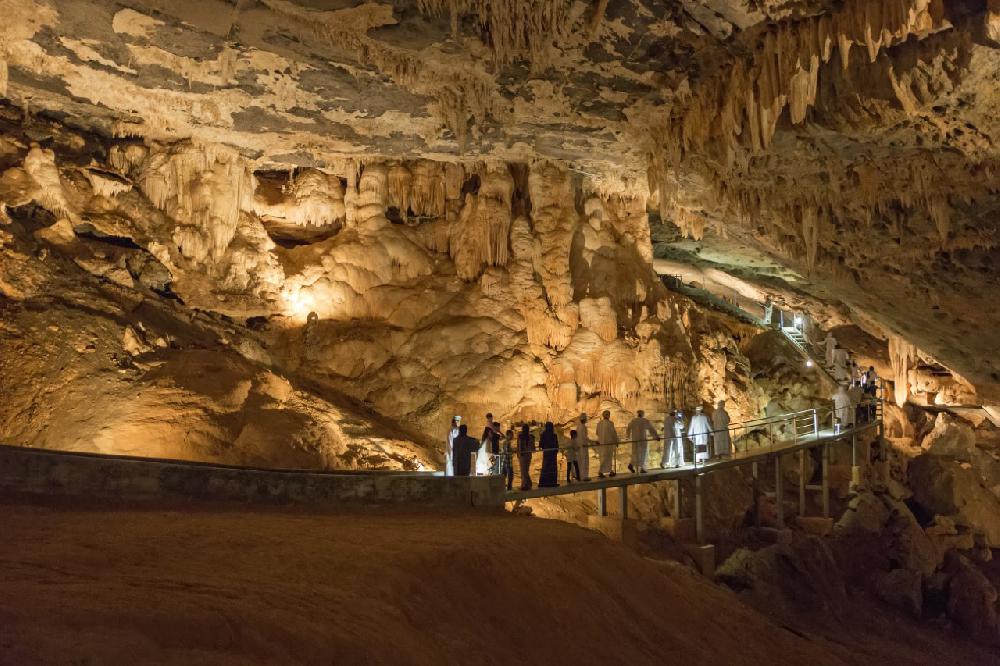
The cave extends for 5 kilometres underground, but it may only be accessed for a distance of 860 metres, ending at Cave Lake. Perhaps the visitor to this cave, passing through the surrounding area on his way there, will find proof of the claim that "caves are the underground equivalent of the landscapes we see above ground, like valleys, streams and springs." This cave has two holes through which water cascading from the mountain top enters via the (ALHoota) hole, and exits through the other (AlFalaah) hole after passing through the connected cave passageways.
AlHoota Cave Lake:
AlHoota Cave Lake is located at the end of a footpath. It is 20 metres deep, but there are many parts whose depth surpasses that. It is rumoured that it extends up to Tanuf Valley in wilayat Nizwa. The lake contains several species of blind fish: some are without eyes but have long bristles to sense their food, while others have very small eyes. Also living in the lake is a rare type of blind fish, coloured a translucent pink so that you can see the skeleton of these small fish.
Majlis Al Jinn Cave (Salma Plateau)
Out of sight in the heart of brown hills located at the foothills of the eastern Al Hajar Mountains hides one of the greatest and most beautiful natural wonders. It is the Majlis Al Jinn Cave, or Salma Plateau as it is commonly known, and is considered one of the largest underground caves in the world. The area of this enormous cave is 58 thousand square metres and its capacity is 4 million cubic metres. The length of Majlis Al Jinn Cave is 310 metres and its width is 225 metres. A dome-shaped ceiling tops the cave at a height of 120 metres. Despite the enormity of this cave, it is difficult to detect it from the outside in this vast area, as the only evidence of its existence is a scant three openings that seem of no importance to the viewer.
Majlis Al Jinn Cave is located at the northern limit of Salma Plateau near the village of Fins in Willyat Qurayyat in the Governorate of Muscat. It is situated along the road linking Fins with Tiwi Village of Willyat Sur in the A'Sharqiyah South Governorate. Majlis Al Jinn Cave was first discovered by accident while searching for carbonate rocks in a quest to discover deep underground water reserves. The first man to descend inside the cave was Don Davidson in 1983, through an opening extending to a depth of 120 metres, considered to be the shallowest of the three openings. In 1984, he was followed by his wife, Cheryl Jones, who descended into the Cave through its deepest opening, which goes down 158 metres. Don Davidson once again descended through the third opening in 1985.
Reaching the Cave opening requires strenuous physical effort, since you must traverse a distance of 1,300 metres to reach the cave opening through rugged mountain terrain. This trip takes about five hours. The only way to descend into the cave is by ropes. Geologists put the age of this cave (Majlis Al Jinn, or Salma Plateau as some like to call it owing to the area where it’s located) at fifty million years. The cave is considered a repository of natural life treasures. The Ministry of Tourism is currently developing a mechanism to facilitate tourist visits to the cave chamber to enjoy the geological formations and wildlife there, through building a path specially for tours of the cave.
Muqal Cave:
Cave is located in Wadi Bani Khalid in the A'Sharqiyah North Governorate, near the famous water pools in Muqal. On entering the cave, the roar of underground water flowing through its hard rocks will assail your senses; your eyes will be captivated by the beautiful rock formations, and you’re sure to be mesmerised by the water pools and streams flowing along Wadi Muqal Road.
Abu Habban Cave:
Located in Wilayat Dimma At Tayyin in the A'Sharqiyah North Governorate, at a distance of 10 kilometres from the centre of the district to the east, and is characterised by the presence of many rock formations of varying colours.
Al Kittan Cave
Al Kittan Cave is located in wilayat Ibri, the A'Dhahirah Governorate. A distance of 8 kilometres separates it from Ibri. The cave’s uniqueness lies in its extreme luminosity that looks like marble, which earned it the name of "the marble cave". Al Kittan Cave houses beautiful geological formations and rock engravings.
It’s noteworthy to mention here that this cave is not easily accessible and we strongly recommend using a guide
Jernan Cave
The cave is located in Wilayat Izki in A' Dakhiliyah Governorate at the foot of the Halfeen Valley below the ancient AlNizar village. The cave also enjoys a strategic location at Wilayat Izki in the interior governorate.
Teeq Cave and Tawi Ateer Sinkhole
Tawi Ateer Sinkhole, known as the ‘Bird Well’ gained international fame after its discovery in 1997 by a team of Slovenian explorers in collaboration with Sultan Qaboos University as one of the largest solvent sinkholes in the world. This adds to the Oman's rich biodiversity, its geographical and historical richness, and its historical and archaeological sites, as well as its remains of early civilization, all of which endorse the Governorate of Dhofar as a tourist destination, and boost the various opportunities for those interested in discovery, along with nature and adventure lovers.
The capacity of the Teeq Sinkhole is about 975 thousand cubic metres. Its diameter is between 130 to 150 metres and its depth is 211 metres. Water flowing down the valleys has resulted in the formation of the sinkhole, with its magnificent waterfalls along the intersection with Teeq Sinkhole. Teeq Cave is near the top of the sinkhole. Its capacity is about 170 thousand cubic metres, and has no less than six entrances, the largest of which is the Western entrance and wall which can be seen from the top of Teeq sinkhole. You can reach that entrance along narrow paths located off the main trail. From those paths you can enjoy panoramic views of the sinkhole and its waterfalls.