
Muscat Festival
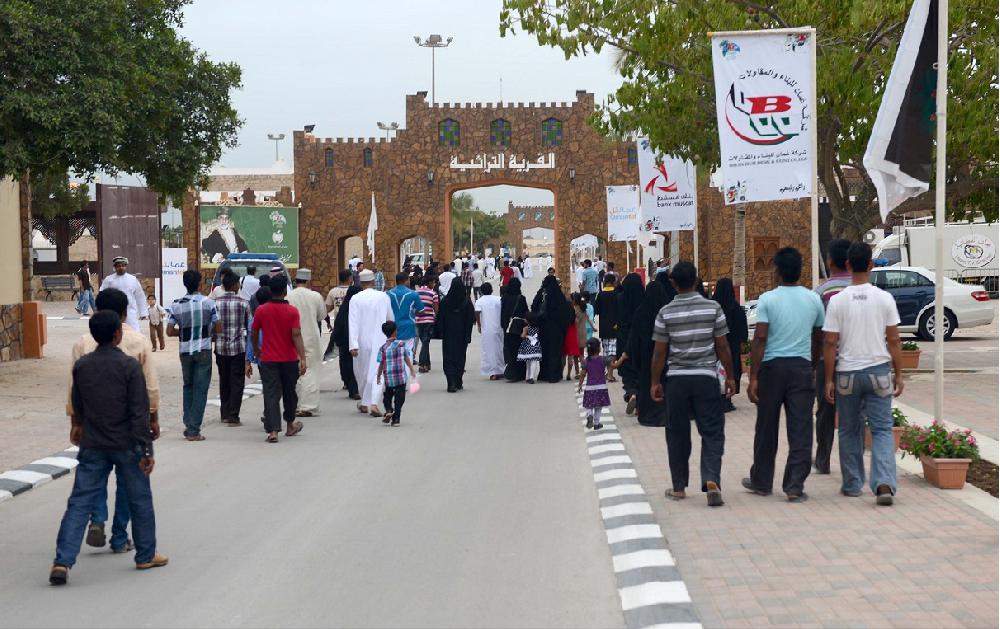
Muscat Festival has become an annual occasion of mass appeal and a keystone event in the tourist calendar, bringing visitors from home and abroad to partake of a truly authentic heritage experience. An ever more ambitious programme of activities and performances keeps interest alive and provides opportunities to showcase local talent and engage the community.
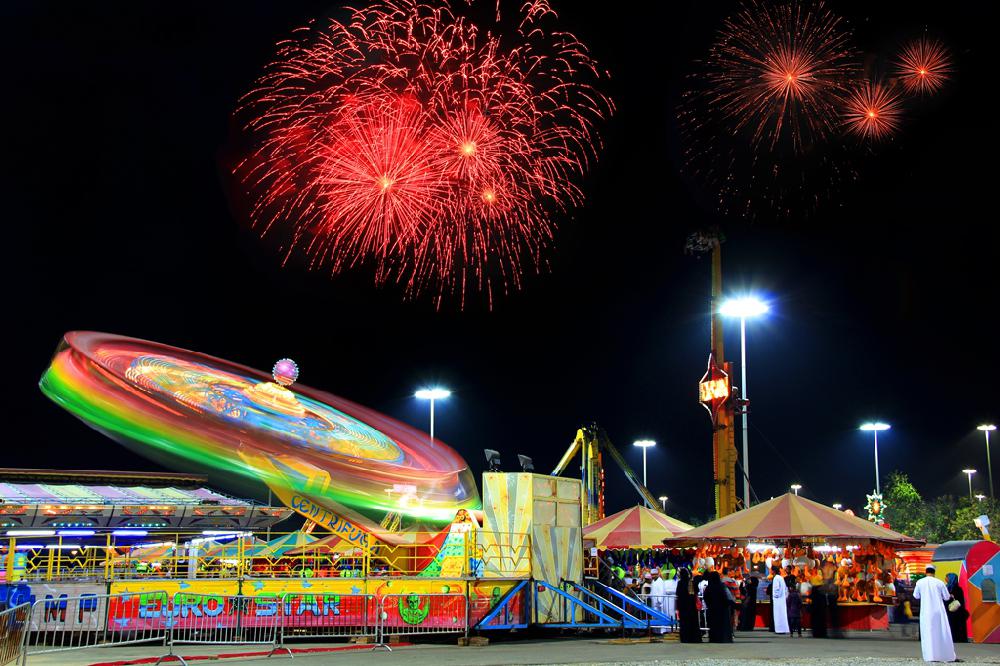
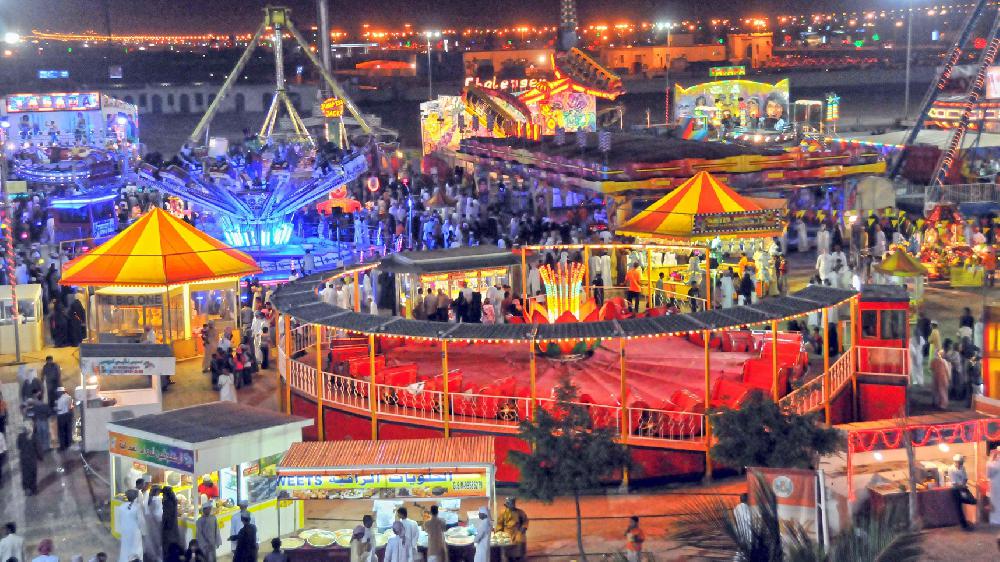
The Omani Heritage Village is one of the main focuses of visitor attention every year. The village recreates traditional Omani life, past and present, and visitors are captivated by the array of implements, household wares and decorative furnishings on display, belonging to a time often still within the memory of middle-aged adults, yet so distant in the context of post- Renaissance Oman. Samples of handicrafts are displayed, along with toys and games, accompanied by folk narratives of a legendary past. The 2017 Festival incorporated exhibits of local and Arab products. Stage performances included concerts featuring Omani singers and musicians and interactive comedy shows. The children’s theatre staged educational dramas, activities and competitions, while the amusement park featured more recreational fare in the form of electronic games for the different age groups. Folklore and folk performances are a key component of the festival, with songs from the various regions represented. For adults, the festival offers literary and poetry evenings, cultural symposia, theatre performances and sports events.
The Salalah Tourist Festival
Dhofar Governorate hosts the annual Salalah Tourism Festival, which has been consolidating a position among visitors from the GCC, Arab and foreign countries, as well as from the Sultanate of Oman itself, over the past few years. It is a unique event that combines business, tourism and leisure and takes place during the autumn season that runs between 21 June and 21 September each year. This is the time when cool air, pleasant rains and moderate temperatures call out to residents of the overheated urban centres of the north to come south and join in the fun. An extended programme of events on the theme of brotherhood, love and abundance was rolled out, running sequentially throughout the festival season. These powerful sentiments reflect the spirit of Dhofar at its best, and the marketing of Dhofar as a tourist destination was as always high on the agenda. There was a qualitative shift in the nature of the services and events on offer at Muscat Festival .
There were additional spaces allocated to play and recreation, as well as to artistic and heritage features, to open air recreation and dining, to cultural events, scientific and literary seminars and art and craft exhibitions. There were the usual everpopular sporting events, competitions and feat of memory performances. In the summer months, temperatures rise to uncomfortable levels in the northern of Sultanate of Oman, while refreshing rains transform the landscape of Dhofar into a blanket of green as far as the eye can see. The hills are awash with gushing streams and waterfalls that pour down into the valleys and plains, balm to the overheated souls who descend on the governorate from the northern cities of the Gulf. Here they can soak up such vistas as the natural fountains of Mughsayl, or picnic after cooling rains, before joining any of the many festival activities.
Royal Opera House Muscat
Royal Opera House Muscat is the leading arts and culture organization in the Sultanate of Oman. Located in Muscat, Oman, the vision of the Opera House is to serve as a centre of excellence in global cultural engagement. We strive to enrich lives through diverse artistic, cultural, and educational programs. The multidisciplinary work of Royal Opera House Muscat showcases rich and diverse artistic creations from Oman, the region, and the world; provide a space for culture and socioeconomic development reflections and actions; inspires audiences and nurtures creativity with innovative programs; fosters cultural vitality and unleashes talent; promotes cultural tourism; and puts cultural diplomacy into practice by reinvigorating global and multi-disciplinary collaborations and exchanges.
The leadership of the Royal Opera House Muscat is guided by the vision of His Majesty Sultan Qaboos bin Said. At His Majesty’s directives a High Committee, spearheaded by His Highness Sayyid Fahad Al-Said, Deputy Prime Minister for the Council of Ministers, was formed to follow the progress of this initiative since its inception. The Higher Committee is responsible for shaping the vision of the organization and considering the policies, strategies and guidelines recommended by the Board of Directors, chaired by Her Excellency Dr. Rawya Al Busaidi, Minister of Higher Education.