
Muscat, 29 November 2025 /Oman News Agency/
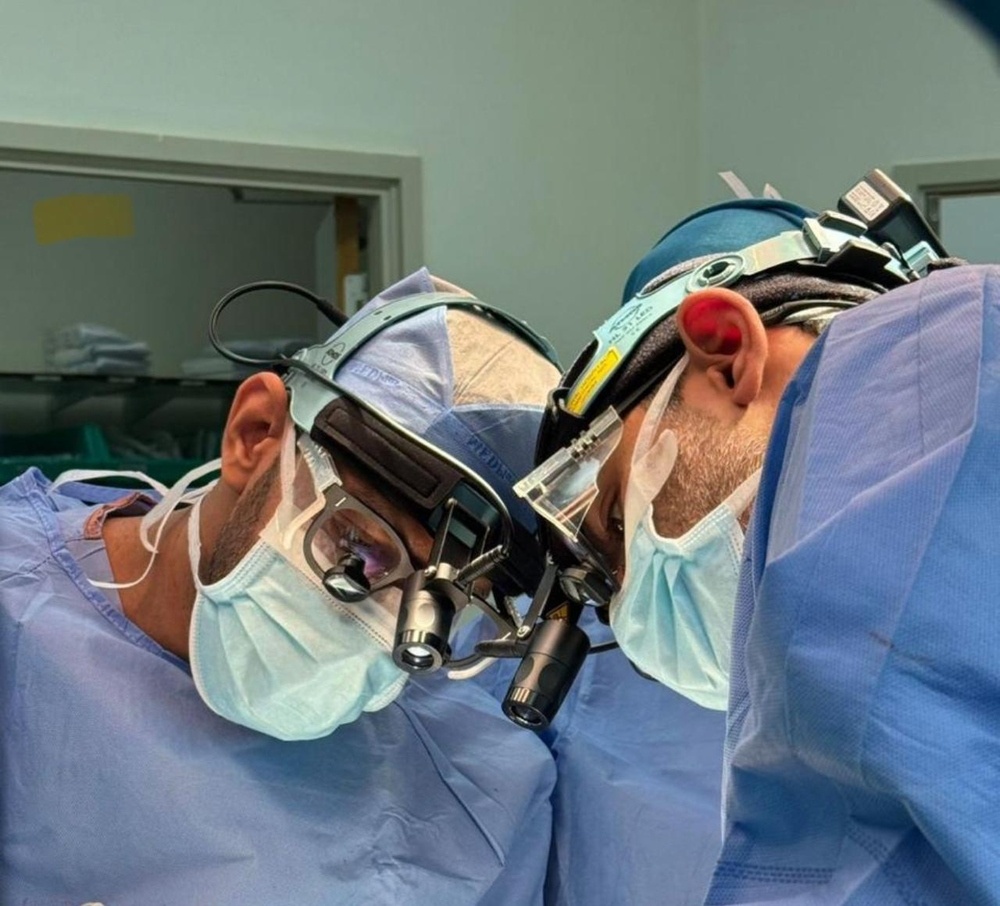
An Omani medical team at the Royal Hospital has successfully removed a highly aggressive cancerous tumor from the liver of a three-year-old child, in a complex six-hours surgical operation that concluded with complete success.
The child had been diagnosed with a large rhabdomyosarcoma—a highly malignant and fast-spreading tumor in children that originates in muscle tissue and is known for its ability to infiltrate surrounding organs and metastasize to other parts of the body. The tumor had affected approximately 80 percent of the liver and extended into the abdominal wall and internal organs, including the colon.
Dr. Al Wareth bin Ahmed Al Hashimi, Consultant of Liver and Pancreas Surgery and Transplantation and Head of the Organ Transplant Department at the Royal Hospital, told the Oman News Agency that preserving the vital functions of the liver and other organs was a primary goal of the complex operation. The greatest challenge, he said, was maintaining even a small portion of healthy liver tissue capable of sustaining life after surgery.
He added that the treatment plan began with preoperative chemotherapy to reduce the size of the tumor, which initially occupied nearly 80 percent of the liver. This reduction created a small residual portion of healthy liver capable of recovering its function after the operation.
During surgery, he relied on precise planning using advanced imaging to identify the critical blood vessels supplying the remaining healthy part of the liver. This was accompanied by meticulous monitoring of blood flow and vital signs, in close cooperation with an anesthesia team specialized in liver surgery.
He stated that advanced techniques were used to cut liver tissue in a way that minimized bleeding and protected the bile ducts, ensuring that the remaining portion of the liver could gradually restore its vital functions after surgery.
Regarding the prevalence of this tumor type in young children, Dr. Al Hashimi explained that such tumors are extremely rare and often appear suddenly without prior signs or symptoms. No clear risk factors or specific genetic causes are known, which requires urgent surgical intervention and accurate diagnosis.
He highlighted the state-of-the-art surgical protocols applied in the procedure, including preoperative chemotherapy to shrink the tumor, detailed surgical planning using advanced imaging to map the tumor’s relationship with major blood vessels, and the use of modern liver-resection technologies that reduce bleeding and protect remaining healthy tissues. Strict blood-management and coagulation protocols were also applied.
He affirmed that this achievement strengthens the Royal Hospital’s position as one of the leading centers for treating complex and rare liver tumors in children, demonstrating its capability to manage cases in which tumors occupy the majority of the liver.
He noted that the Royal Hospital is supported by advanced infrastructure that enables the performance of such complex procedures, in addition to an integrated treatment system that combines chemotherapy and surgery with close postoperative follow-up.
Dr. Al Hashimi further emphasized that the achievement reflects the ability of the Royal Hospital to provide advanced medical care within the country, reducing the need to refer patients abroad and reinforcing the hospital’s position as a primary destination for the treatment of complex liver tumors in accordance with the highest global standards.
The medical team explained that the case was initially considered inoperable due to the size of the tumor and its involvement with vital organs. However, a detailed treatment plan was set, including several rounds of chemotherapy to shrink the tumor, enabling the team to proceed later with surgical removal.
During the procedure, the affected portion of the liver, the right side of the colon, and the involved section of the abdominal wall were removed, applying the latest surgical and clinical protocols used in such complex cases.
The surgical team stated that the greatest challenge was maintaining the vital functions of the organs while removing a massive tumor that posed an imminent threat to the child’s life. They confirmed that the operation was completely successful, that the child recovered gradually, and is now in good health under close medical follow-up to complete subsequent stages of treatment according to global protocols.
This achievement is considered a major medical milestone that highlights the competence of the national medical staff at the Royal Hospital and their ability to manage some of the rarest and most complex cases with proficiency comparable to advanced international centers.
/Oman News Agency/