
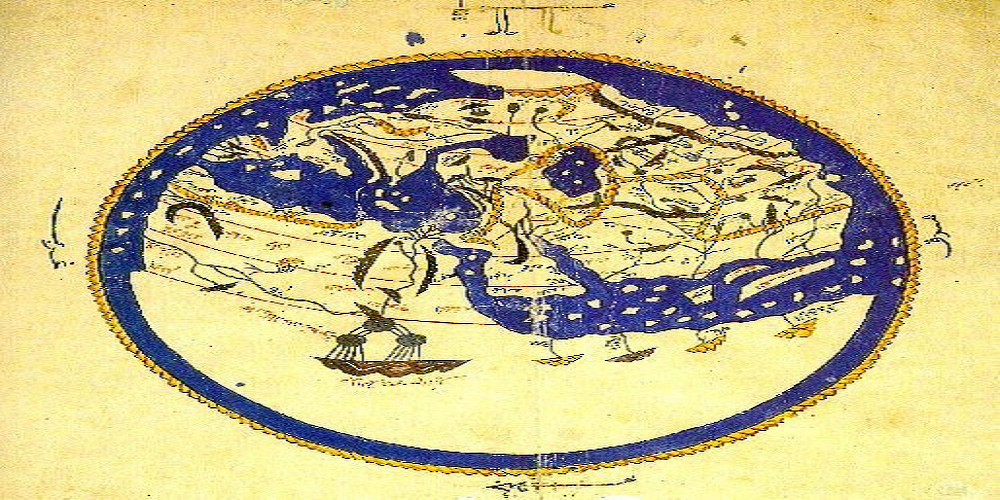
Muscat, (ONA) - The book, Oman in Geography and Islamic Journeys in the Medieval Islamic Period, by Dr. Saleem bin Muhammad Al-Hinai highlights the importance of paying attention to geographical sources and trips during that period in giving a semi-integrated picture of Oman. It is a rich source of economic, social, geographical, and sometimes political information, but it is scarce in intellectual, military and urban conditions. The writer had expected abundant information about the role of the Omanis in the science of jurisprudence, history, doctrine, literature and poetry, as well as their role in building forts, castles and other civilizational fossils. The reason for choosing this particular topic is to know what was not known before.
The importance of the study conducted by the writer and the results reached in his book lies in the information extracted from the history of Oman. The writings of Arab and Muslim geographers included a variety of information covering the geographical and natural aspects and the related information and ideas about the geographical location and naming, defining the distances between Oman and the neighbouring regions, and defining the multiple and related roads and the homes and advantages of each road. In addition, these sources contained information related to identifying the names of cities, villages, mountains and other variables that were wide and narrow depending on the internal developments of the country, with an indication of the different and related methods. In addition to the geographical sources and excursions, they included economic information related to agricultural and commercial areas and their economic activity, and information on social conditions, stability of Arab tribes, geographical distribution and diversified activity in the areas in which they settled.
In reading the book, Oman in Geography and Islamic Journeys in the Medieval Islamic Period, we find that the author spoke at length about the development of the geography of Muslims, in addition to the geography of Oman and its boundaries through the sources of Islamic geography and excursions identified by Muslim geographers in terms of location, terrain, climate and the name and indications of Oman. The author also gave us a reading about the economic life that made Oman a prosperous region in terms of trade, industry and agriculture.
In addition to trade, its prosperity factors, transportation, exports, imports and commercial dealings, Al-Hinai dealt with social and political life in geographical sources, Islamic trips, distribution of the inhabitants of Oman in the past and the reflection of this distribution on the political and civilizational aspects. He sailed covering the population and social aspects and residents of Oman and the distribution of tribes, customs and traditions.
Dr. Saleem Al-Hinai went into depth on the political and economic activities of the people of Oman, the Omani stability in the coasts and islands near the shore, the Omani stability in the Arabian Gulf islands, the stability of the Arabs and the Omanis in the interior regions of Persia, including Kourat Astakhir, Kourat Arjaan, the city of Fasa (Nasa), Dara Bajrad and the city of Shiraz. He pointed to the factors that contributed to these migrations.
The book “Oman in Geography and Islamic Journeys in the Medieval Islamic Period”, written by Dr. Saleem bin Muhammad bin Saeed Al-Hinai, was published by Al Ghasham House for Publishing and Advertising, supported by the National Book Support Project adopted by the Cultural Club, to constitute a new addition and a scientific source that explores Omani history in all Aspects and become a source for scholars and researchers on the Omani history.