
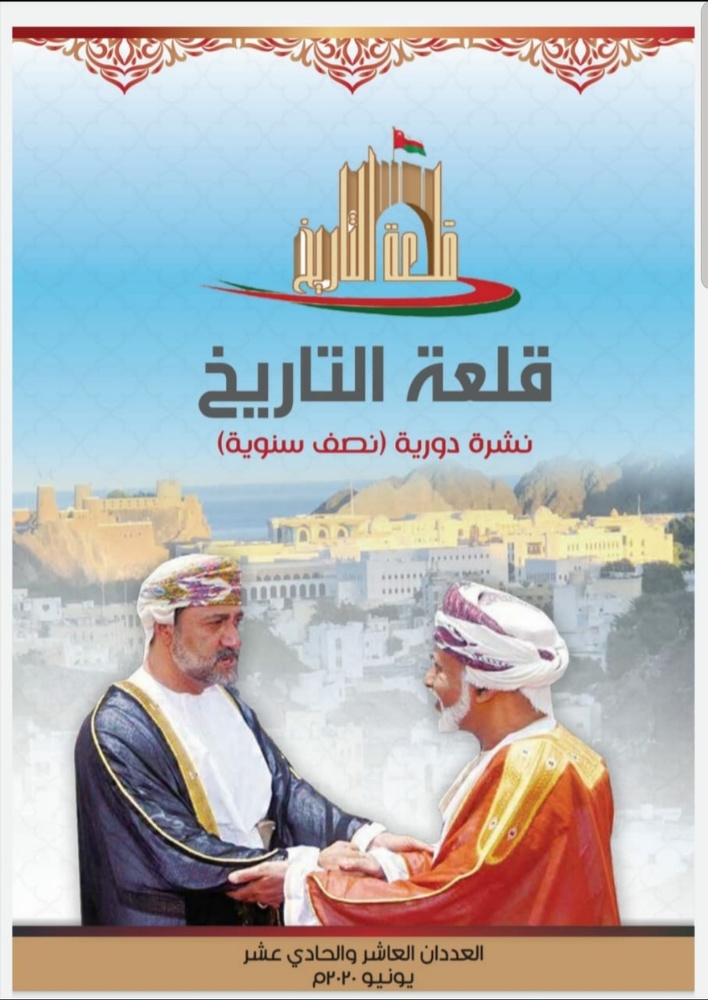
Muscat, June 8 (ONA) - The tenth and eleventh issues of Qal’at al-Tarikh bi-annual publication published by the Qal’at al-Tarikh Initiative included many cultural and historical topics on the Sultanate.
The issue editorial by Editor-in-Chief Emad bin Jassem Al-Bahrani touched on the deceased Sultan Qaboos, may God rest his soul in peace. He said: “The dear homeland lost at the beginning of this year, “the dearest and most pure man”, forgiven by God Almighty, Sultan Qaboos bin Said bin Taimur, the builder of modern Oman and the creator of its blessed renaissance, who led the helm with wisdom and competence throughout the half-century from 23 July 1970 until his death on January 10, 2020 AD.
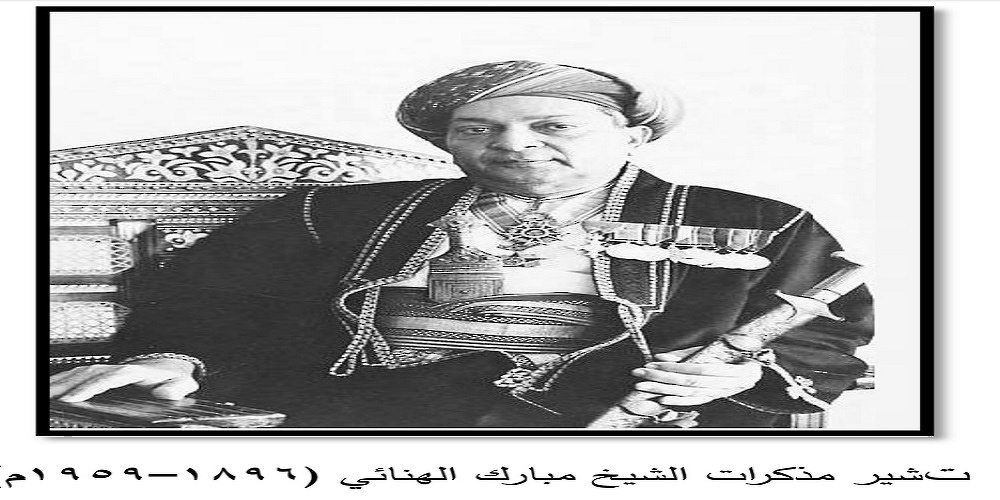
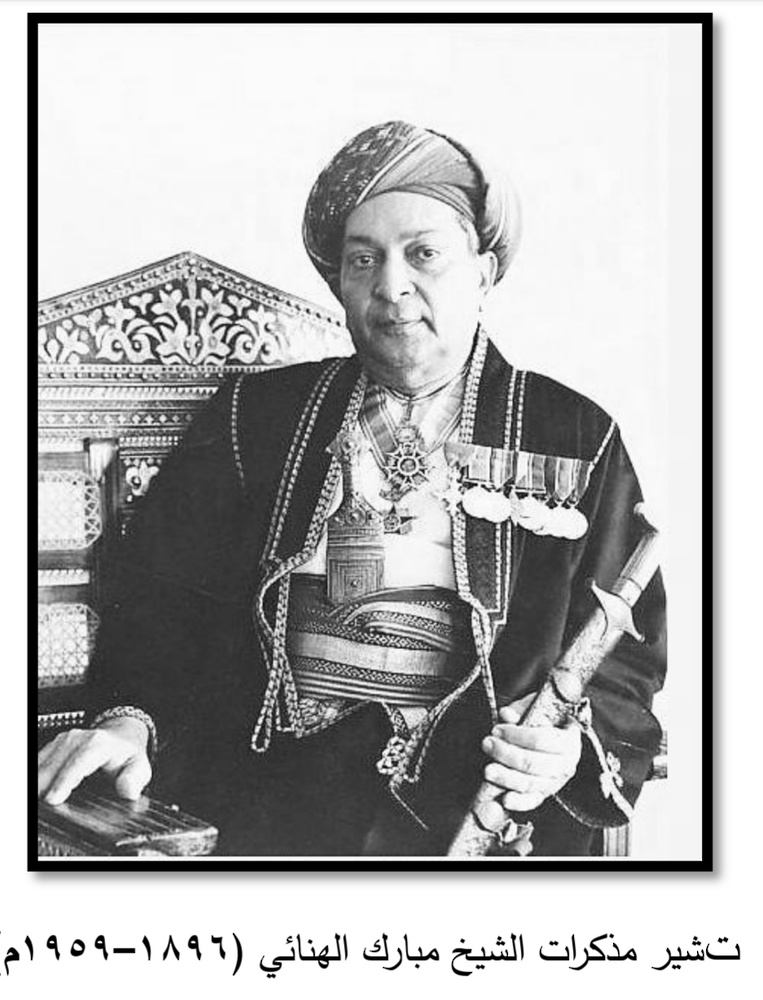
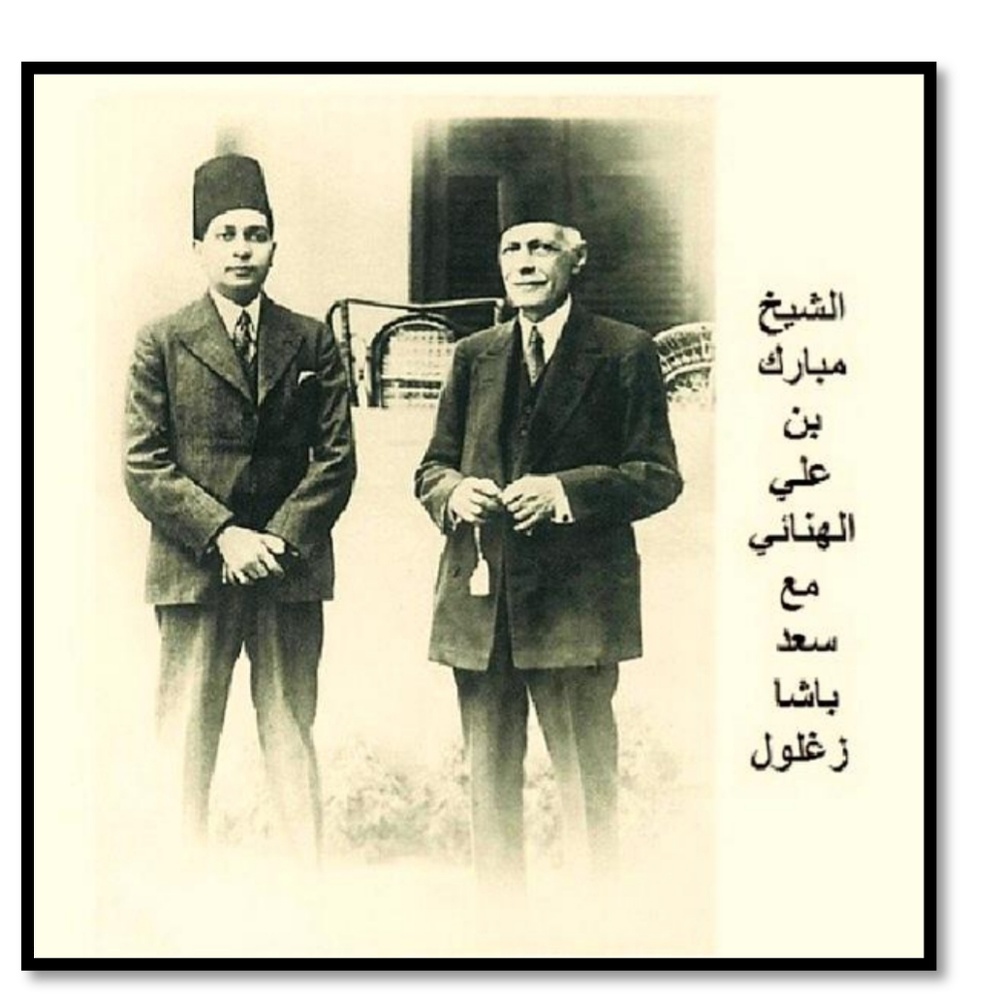
The publication's articles included an article entitled Sheikh Mubarak Al-Hinai and his relationship with Saad Zaghloul in Mombasa by Dr. Saleh Mahrous Mohamed, an Egyptian researcher and academic in which he dealt with many aspects that affect this Omani figure in terms of introducing the Sheikh, his upbringing, his education and his political and social role.
In another article, the researcher Dr. Huda bint Abdul Rahman Al-Zadjali discussed “The Shemailiyah journey as an example of Omani travel literature” by the poet and writer Ibrahim bin Salem bin Khalfan al-Obaidani al-Suhari. She indicated that the travel literature is considered one of the most beautiful types of literature. It reflects and documents all that travellers have come across throughout their journeys. The writer or traveller transmits everything he saw during his travels, as he describes the places he visited, the customs of their people, and conveys all the situations that he was exposed to during his journey or his journeys during his life.
The researcher also discussed in her article the introduction of the poet and writer Ibrahim bin Salem bin Khalfan al-Obeidani al-Suhari and the positions he held and the characteristics that he had, especially in generosity, culture, literature and rhetoric.
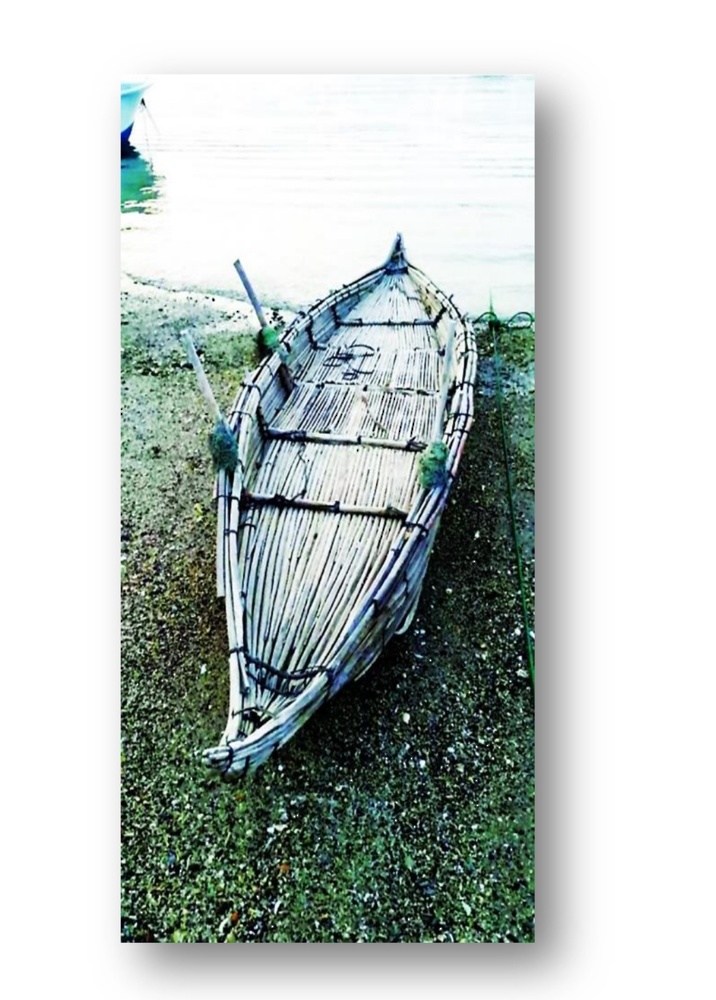
For his part, Dr. Ali Afifi Ali Ghazi, an Egyptian journalist and academic, addressed the topic of the “shashah”, which is considered one of the traditional boats in the Arabian Gulf. He explained many of the foundations that traditional shashah boats had in particular in human life in the Gulf, stressing that the civilizations of the Arabian Gulf are related to the sea as a result of the lack of land goods, and are based on multiple economies such as agriculture, fishing and hunting, pearl diving, marine and land trade, in addition to handicrafts.
Egyptian researcher Wiam Ghanem also spoke about the British-Omani Treaty in 1798 AD, while al-Ghalia bint Salem Al-Mughayriyah wrote an article about historical documents in which she dealt with the social communication between Zanzibar and Oman - Sheikh Mansour Al-Musharrafi's message to his brother as a model. In an article entitled The Omani Armed Forces, a study of its organizations, development, and role 1913-1975, researcher Dr. Bahia bint Saeed Al-Udubia addressed all aspects related to this issue. The study touched on the emergence of the Omani army since 1913AD.
(ONA)