
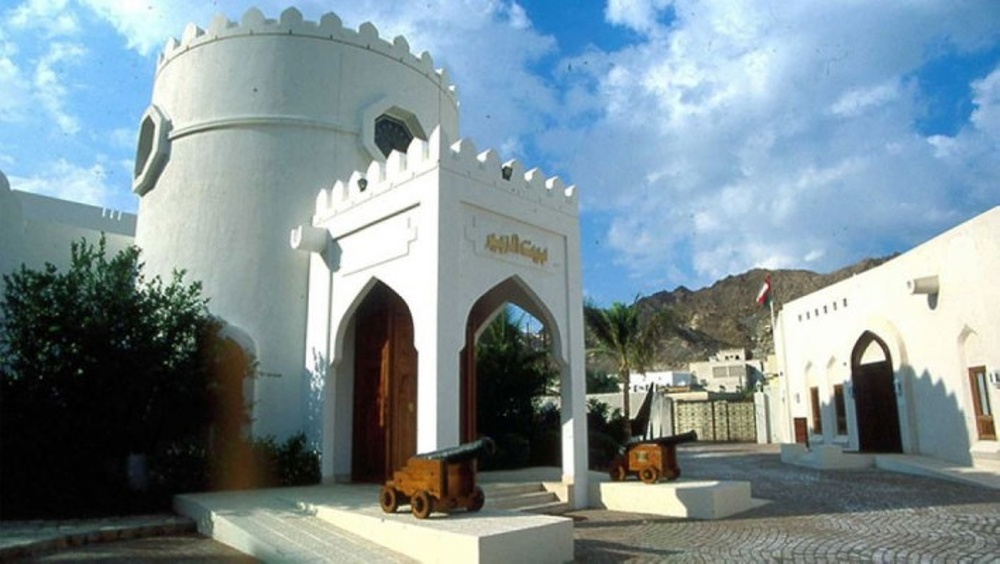
(ONA) The theatre laboratory at the Bait Al Zubair Foundation held a discussion session entitled “Theatre in the Time of Corona”. The session, which was delivered through the “Zoom” application, discussed the theatre’s attendance these days and the innovative efforts made by theatrical teams in the time of the coronavirus.
The session, which was held last night and was moderated by Ahmed Al-Kalbani, a member of the theater laboratory, hosted a group of theatricals in the Sultanate, including Hussein Al-Alawi, head of Takween theatre team, Jalal Jawad of the Oman Film and Theatre Society, Ismail Al-Rawahi, head of Twasil theatre group, and Mohammed Al Nabhani, head of Al-Dan Group for Culture and Art, Abdullah Al-Rawahi, representative of the Nakhl theatre group, and Khalifa Al-Harrasi, head of Huwat Al-Khashabah theatre group. It was attended by a group of people interested and engaged in the theatre.
At the beginning of the session, the playwright Hussein Al-Alawi mentioned that the crisis of the outbreak of coronavirus “Covid 19” has affected all forms of art. The theater is one of the most affected due to its nature in the requirement of physical closeness and mass attendance, as it works on the basis of “now .. here”. But despite being stopped as an activity, it did not stop as an effect. The awareness presented by the theatre remains. This opportunity may allow the teams to return to the archive and follow the development of their works and identify weaknesses in order to improve the upcoming works. The playwright, Muhammad al-Nabhani, agreed with him, saying that visual documentation is important for such circumstances, as it is an archive that can be reused, recycled and exploited in a number of ways.
As for the experiences of theatrical teams in Oman, the session presented two distinct experiences of Twasil theatre group and Huwat Al-Khashabah theatre group. The playwright, Ismail Al-Rawahi, said that Twasil theatre group had held “evening outings” for seven consecutive days. During the holy month of Ramadan, the team members came out with an event that they called “You are the Joker”, which is a simulation of acting on the stage by showing dramatists and amateurs clips from the home. It received interaction and demands from the followers to continue. The orientation of Huwat Al-Khashabah Band, which was in its plan before the coronavirus pandemic, was to give space to electronic activity, and the group went on, according to the playwright Khalifa Al-Harrasi, head of Huwat Al-Khashabah theatre group.
“There was a proposal submitted by the group for the Oman Film and Theatre Society to implement theoretical seminars via the Internet targeting theatrical groups in the Arab world and the real audience of those present in the country, he added. “This idea was utilized, and we implemented the suggested workshops that focus on the academic side of the theatre. Thanks to God, there was a turnout exceeding one thousand participants in every session in the Arab world.
The discussion also touched on the role of the Oman Film and Theatre Society in this pandemic, and on the challenges and problems related to issues of coordination between the society and the theatre, the supervisory and union role hoped for by the society, and the reasons for the theatre’s reluctance to renew their subscriptions to the society.
The playwright Jalal Jawad of the Omani Film and Theater Society emphasized that the association appreciates all the efforts made by the teams in this pandemic, explaining that the society is trying hard to activate its role more and communicate with those involved in the theatre activity more closely.
At the end of the session, the participants unanimously agreed on the necessity of continuing theatrical activity through the available capabilities, and not neglecting the establishment of development seminars for the members of the teams, especially those that cover the theoretical side in the theatre because they are important in improving the work and upgrading it to the desired levels.
It is noteworthy that Bait Al-Zubair has held several sessions during the last period through the “Zoom” application, including a session for young people on post-pandemic expectations. The Arts Lab also hosted, on the virtual platforms, the Egyptian artist and critic, Dr. Yasser Menji, in an interview on “The artist's isolation”. He discussed several axes, most notably the extent to which art can be learned online as a specialized field, expectations for the artistic creativity of the theatre, the effect of stopping most of the artistic activities during this crisis, and what formal institutions can offer to advance this sector and its workers, and other topics.
It also hosted in earlier times through virtual platforms a number of researchers in various fields to talk about the impact of the covid-19 pandemic on a number of vital sectors such as education, technology, society, and translation.
(ONA)