
Muscat, (ONA) - The Sultanate celebrates with the rest of the world the International Day of Islamic Art, which falls on the eighteenth of November of each year. This year is considered the beginning of the world's celebration of the International Day of Islamic Art after the UNESCO approved the recommendation of the Executive Council to approve the proposal of the Kingdom of Bahrain regarding Islamic Art Day, and that the eighteenth of November is an international day for Islamic art, during the forty session of the General Conference, which was held from 12 to 27 November last year.
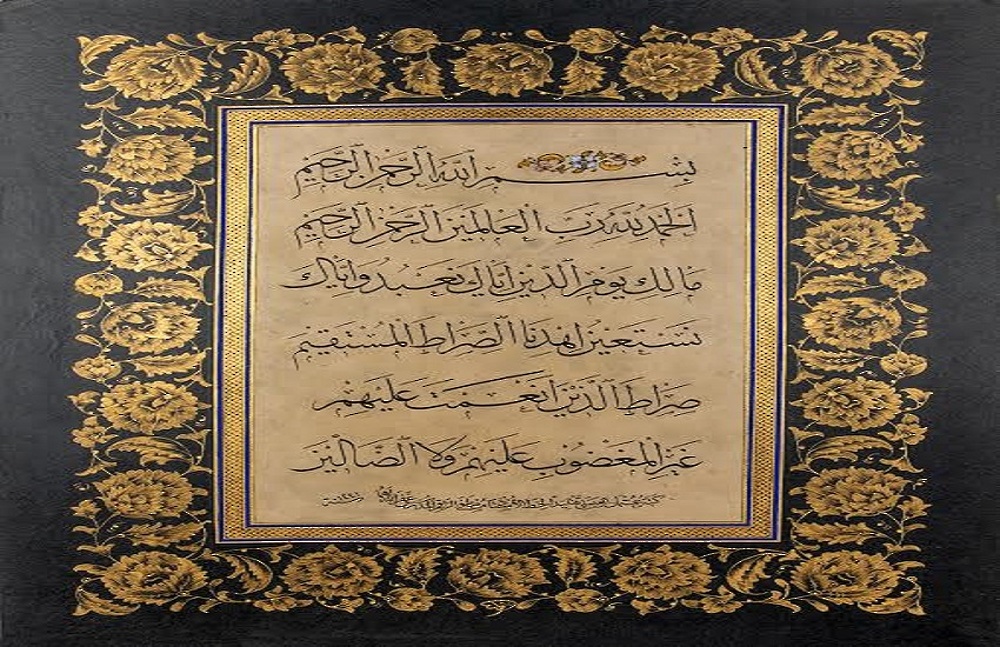
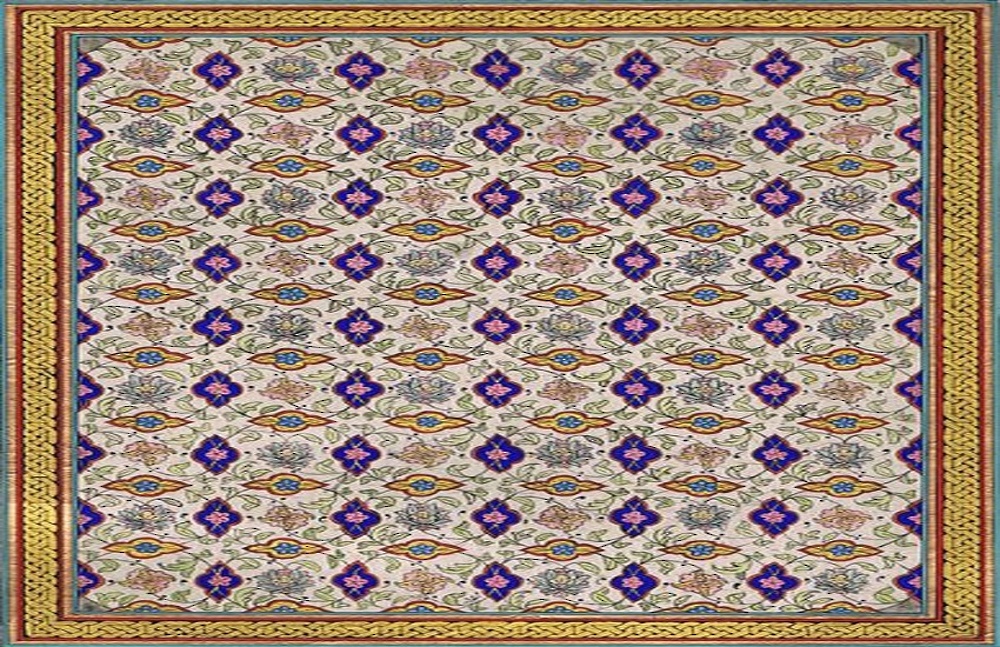
Islamic arts are seen as a bridge between cultures and peoples over time, varied between Arabic calligraphy and the Islamic geometric and botanical ornamentation that was embodied in mosques, mihrabs, castles, residential buildings, and even in some ancient heritage markets.
Omanis have also been interested in urbanization since ancient times and have mastered the construction of buildings and palaces that have become, in our present time, archaeological evidence that narrates the Arab and Islamic architecture that is spread in Omani, Arab and Islamic cities such as castles and forts that symbolize their heritage and civilization striking at the roots of history. Omani architecture has preserved its original character to mix the ancient Omani heritage with modern architecture. What distinguishes Omani cities and urban communities is a mixture of originality and modernity to appear in a coordinated and harmonious manner, taking into account, in the course of the urban trend, the origins of Arab-Islamic architecture and adapting to the conditions and nature of the environment.
Omani architecture has proven its originality and superiority by winning several times the Arab Towns Organization Award for the best architectural project in the Arab world. The Sultanate’s winning of the awards of the Arab Towns Organization came as a result of its adherence to its original architectural heritage with ancient Arab and Islamic features.
The Sultanate was distinguished by the types of Omani manuscripts, the scarcity of which dates back to the early Islamic times, with various motifs indicating the interest of Omani people in this ancient Islamic art. The Islamic religion, in its orientations, was a catalyst for the advancement of the beautiful Islamic arts, which are distinguished by plant and geometric ornamentation far from human embodiment. Most of the Omani manuscripts were adorned with Islamic geometric motifs, as well as some of the motifs known as plant motifs and Arabic calligraphy, which was used in a number of Omani Qur’ans. The ingenuity of the Omani calligrapher has emerged since ancient times and manifested itself in the fields of Arabic calligraphy. Omanis have traced this creativity throughout history by writing Qur’anic verses, inscriptions and Islamic decorations, as Islam was able to create a beautiful art of its splendour among the arts that benefited from the directives of the Islamic religion. It became more sophisticated and increased its splendour in Arabic calligraphy, especially since that art was linked to the Holy Qur’an, where it received a high position and abundant attention from Muslims, so the status of calligraphers increased in the first ages of Islam.
The Sultanate is interested in this art through holding a number of forums and workshops in the art of Islamic decoration, Arabic calligraphy, Islamic inscriptions and others. Omani artists and calligraphers also participated in a number of international forums concerned with Islamic arts of all kinds.
Omani museums have a prominent role because of the various archaeological structures that express the cultural and historical depth of the Sultanate. In its flanks, it includes a huge amount of these archaeological holdings that date back to previous Islamic eras, and what they express about the Omani relationship with its Islamic civilization and the neighbouring regions in that period of time.
(ONA)