
ONA
The Ministry of Information continues its diligent efforts to implement, produce, and publish a range of documentaries, books, and programs, as part of its ongoing endeavors to present Omani civilizational history. Cultural documentation in all its forms represents the memory of the nation and the preservation of heritage, bringing together civilizational dimensions and historical elements with their places and figures, becoming a means of interaction between generations and linking the glorious past with the present.
The documentary film “House of Wonders,” in its three parts, was among the most prominent works presented by the Ministry to the public, and it won top rankings and excellence awards in local, Gulf, and Arab festivals.
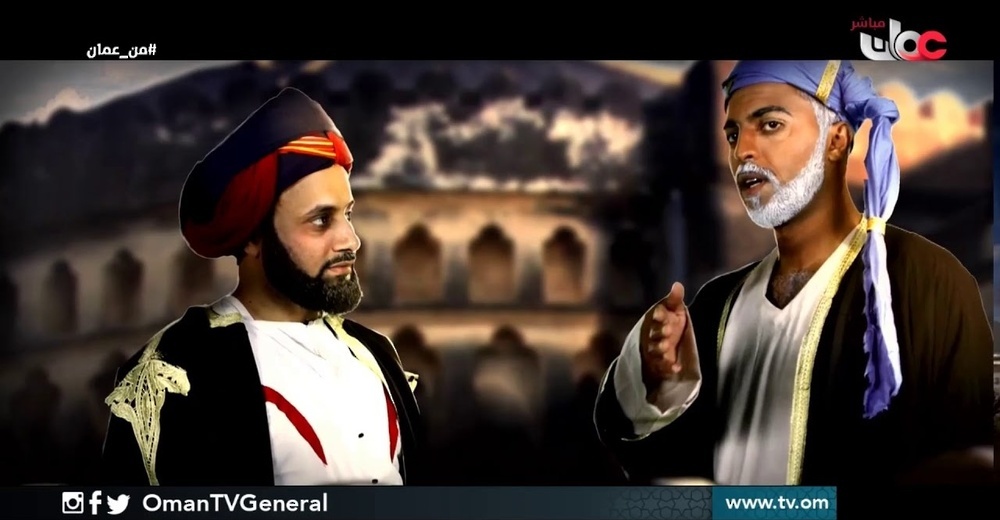
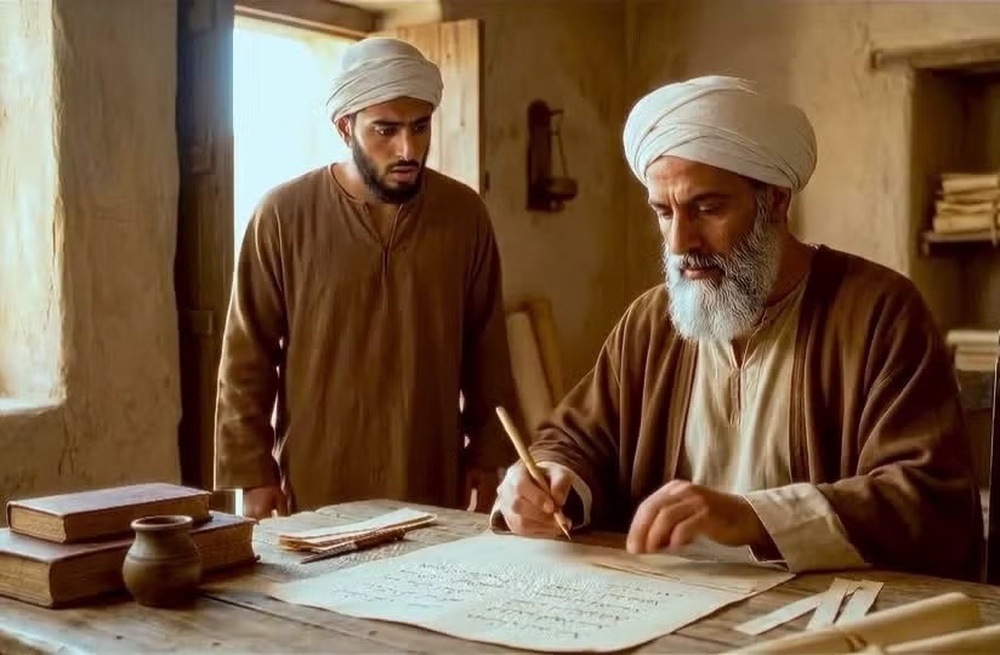
Oman TV also broadcast during the last Ramadan season the program “And We Have an Impact,” which highlights prominent and influential Omani figures in human history and civilization, relying in its storytelling on artificial intelligence technologies.
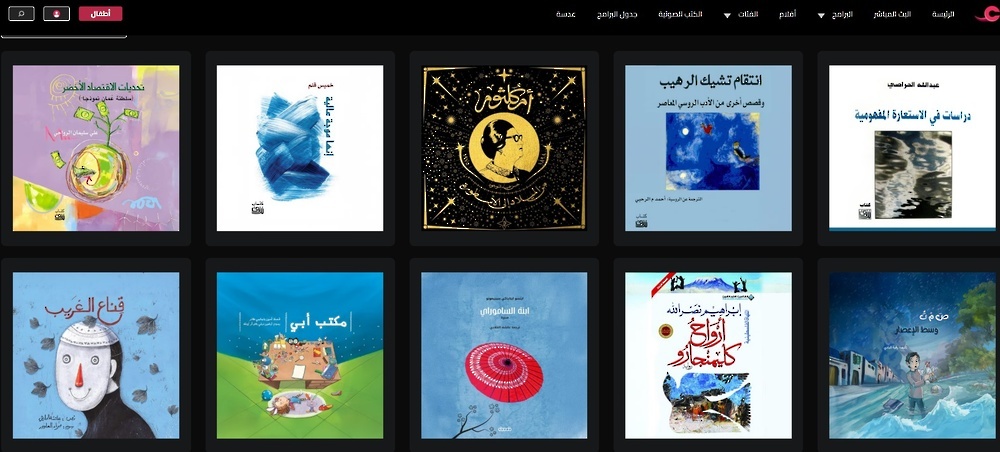
The “Ain” platform features a valuable collection of audiobooks, visual programs, and audio productions that shed light on events and treasures of Omani history.
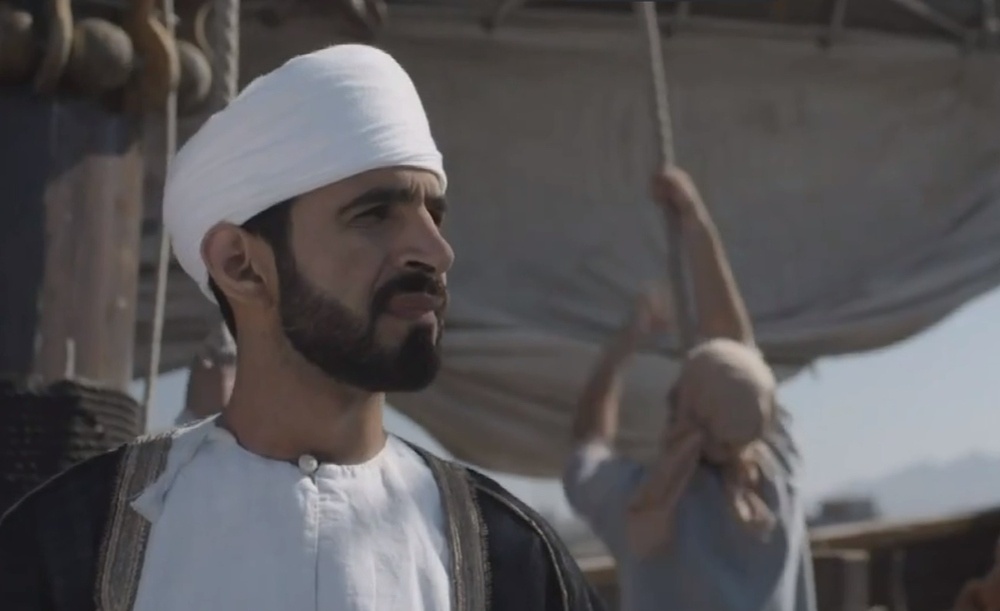
As part of cultural documentation efforts, a project has been developed to produce a cinematic feature film about the historical voyage of the Omani ship “Sultana.” The idea is based on real events of the voyage that departed from Zanzibar, making it the first Arab ship to reach the United States of America in 1840, and narrating one of the most significant milestones of diplomatic and commercial communication during the reign of Said bin Sultan, Sultan of Oman, Zanzibar, and their dependencies.
His Excellency Mohammed bin Said Al Busaidi, Undersecretary of the Ministry of Information, said that the production of the “Sultana” ship film comes as part of the Ministry’s efforts to focus on Omani history and its ancient civilization, highlight Oman’s historical roles and achievements, and introduce Omani personalities and symbols.
He added that the “Sultana” ship film is part of a series of historical works presented by the Ministry of Information, whether on Oman Radio or Oman TV, in accordance with a global production vision and high quality that addresses Omani, Arab, and international audiences, similar to what was previously produced in the “House of Wonders” film series.
He explained that the film has been developed with the same production vision in terms of content quality and advanced production techniques, aiming to deliver a film of global standards implemented by internationally recognized companies, with the participation of Omani artists, Arab artists, and international talents.
He noted that the film required a long period of information and data collection and field interviews, including several visits within the Sultanate of Oman, East Africa, India, and the United States of America to gather information related to the “Sultana” ship. The work was written by specialists in documentary, dramatic, and historical writing, according to a comprehensive vision for presenting Omani history. The script has been completed, and characters have been designed through what is known as a “storyboard” for the film.
He stated that filming will take place in several environments in Oman, East Africa, India, and the United States of America.
These efforts undertaken by the Ministry of Information enhance its educational role and affirm the importance of cultural documentation as a living mirror that preserves the great legacy of Omani history with its civilizational and human dimensions extending across different parts of the world.