
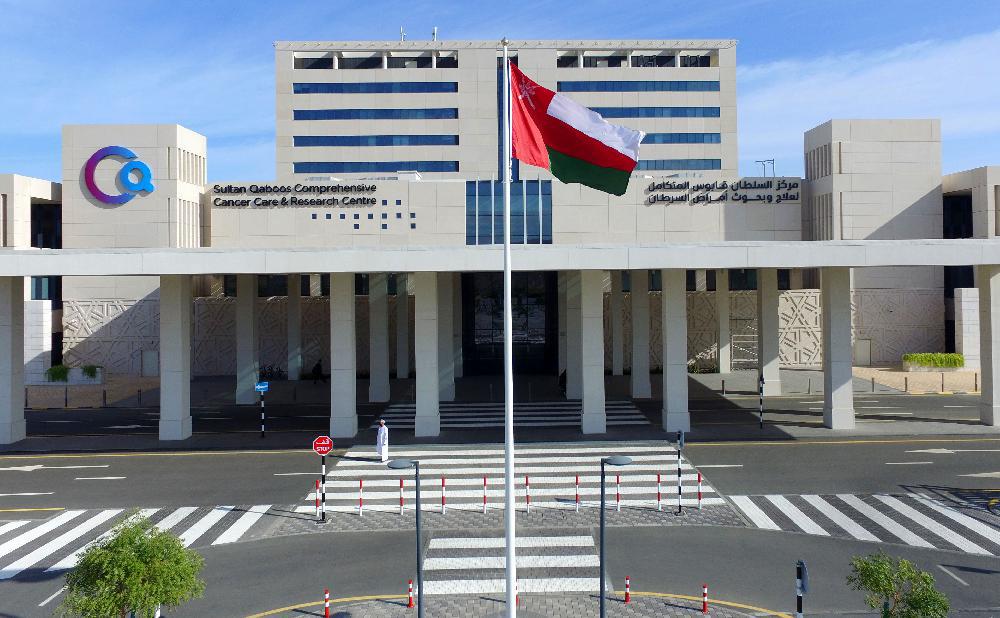
 The healthcare sector in the Sultanate of Oman continues to witness remarkable progress, marked by a significant transformation in its development journey. There has been tangible advancement across all levels of healthcare, achieved at a rapid and consistent pace. This progress is reflected in the notable improvement of key health indicators, aligned with the Tenth Five-Year Development Plan (2021–2025), Oman Vision 2040, and the Future Health System 2050.
Oman's health system is focused on strengthening preventive care and community health programs, with a particular emphasis on enhancing healthcare services across the three levels of care. This includes the expansion and modernization of health centers to improve the delivery of primary care, as well as the development of hospitals to broaden access to specialized medical services. The national strategy also targets enhancements in emergency and crisis care services, the advancement of medical rehabilitation programs, and the provision of comprehensive elderly care. Through these efforts, the Sultanate of Oman aims to build an integrated health system that meets the present and future needs of Omani society.
Infrastructure development initiatives represent one of the fundamental pillars of Oman’s healthcare strategy. A key priority is the expansion of specialized services and the upgrading of tertiary hospitals to deliver advanced healthcare. The number of hospitals in the Sultanate of Oman now exceeds 90 facilities, reflecting the ongoing investment in healthcare capacity.
Within this framework, the Ministry of Health is continuously enhancing its services to address epidemiological and demographic shifts. This includes upgrading medical and surgical equipment and expanding emergency care by establishing eight new emergency departments. The health system also places strong emphasis on combating communicable diseases through strategies such as health education and disease surveillance. In parallel, it is actively addressing non-communicable diseases such as cardiovascular conditions, chronic respiratory illnesses, diabetes, and cancer through targeted services designed to reduce morbidity and premature mortality.
Omani women, particularly mothers and their children, benefit from a comprehensive system of healthcare services. This approach stems from the recognition that the health and well-being of women are vital not only to their own lives but also to the welfare of future generations. In line with this vision, the Ministry of Health has established a dedicated department for maternal and child health and launched the National Maternal and Child Health Care Program in 1987. The program is designed to provide essential health services for mothers and children, while also addressing any obstacles that may hinder the delivery of quality care. Since its inception, the program has successfully achieved its goals by reducing maternal and child mortality rates and improving the overall standard of healthcare provided to this group.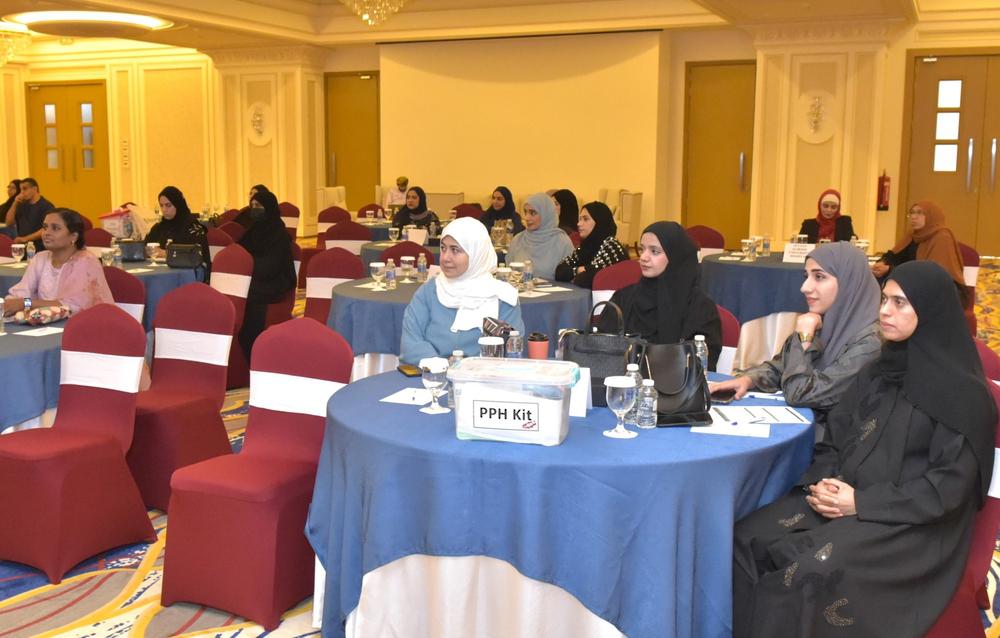
The strategies of the Maternal and Child Health Care Program are centered on integrating services into the primary healthcare system to ensure accessibility and continuity of care. Services are comprehensive in nature, encompassing promotive, preventive, and curative aspects. The program emphasizes early pregnancy registration to enable timely detection and management of potential complications. It also includes continuous updates and development of training manuals and guidelines for healthcare providers, along with capacity-building initiatives aimed at enhancing healthcare workers' skills in caring for women during pregnancy, childbirth, and the postpartum period, as well as in managing emergency situations. Additionally, the program undertakes the systematic documentation and review of fetal and maternal morbidity and mortality cases to identify underlying causes, improve service quality, and prevent the recurrence of similar cases in the future.
The Adolescent Medicine Unit, launched at the Royal Hospital, is the first of its kind within the healthcare institutions of the Sultanate of Oman and the wider region. It was established to provide a specialized diagnostic and therapeutic environment tailored to the unique needs of this age group. The unit also aims to raise public awareness about common health issues during adolescence, including their causes, symptoms, appropriate treatments, and methods of prevention. In addition, it offers advisory and counseling services to guide families and communities in addressing the behavioral challenges that may arise during this developmental stage.
In line with global advancements in specialized diagnostic and treatment services—and as part of Oman’s commitment to developing its healthcare system—the unit delivers healthcare services to adolescents aged 10 to 19, and extends support to youth up to the age of 24. This extended care ensures a smooth and healthy transition into adulthood. The department is particularly focused on preparing adolescents with chronic illnesses for a successful shift within the healthcare system, helping them manage their diverse medical conditions while equipping them with essential self-management skills.
The approach to adolescent healthcare revolves around addressing each patient’s individual needs while maintaining a holistic balance. It promotes a family-centered model of care, shared decision-making, and routine screening for high-risk behaviors that may occur during adolescence.
The Sultanate of Oman places great importance on the care and well-being of the elderly population. This commitment is reflected in efforts to enhance their quality of life in ways that meet their specific needs within their homes and communities. The approach focuses on creating a safe and supportive environment by offering social, health, recreational, family, and psychological care—aligned with both global and national directives aimed at improving services for this segment of society.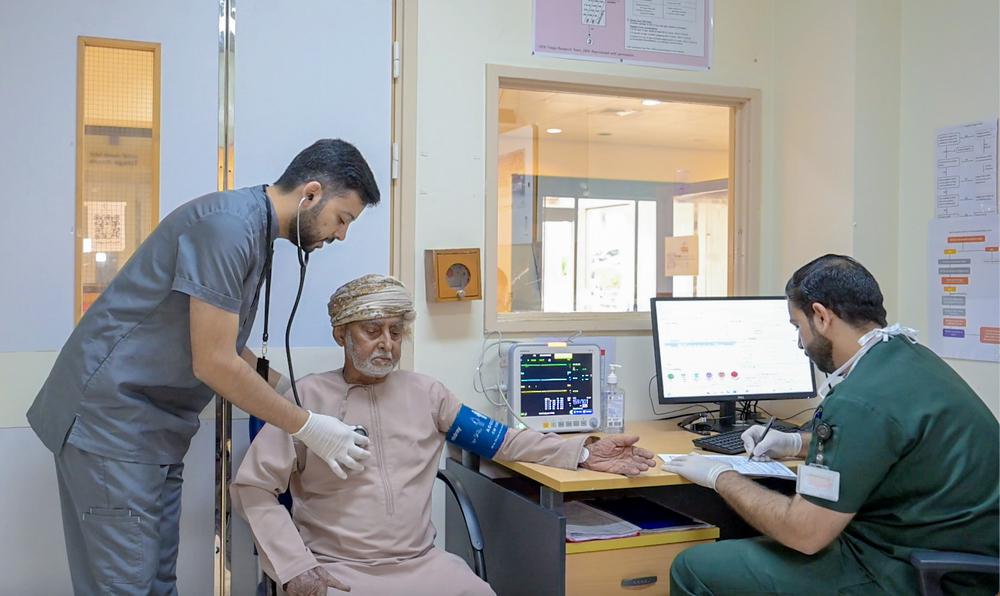
The Ministry of Health has given particular attention to the delivery of elderly care and community health services, with the goal of ensuring a dignified life and enhancing the health and social well-being of older adults. In this context, both the Elderly Care Program and the Community Healthcare Program have been developed to provide comprehensive services that meet the needs of older individuals and patients who are unable to access healthcare facilities.
The Elderly Care Program was officially launched in the Sultanate of Oman on October 31, 2011, as part of national efforts to promote the health and well-being of the aging population. This initiative emerged in response to the steadily increasing number of elderly citizens and the need to deliver specialized health services tailored to their unique requirements. The program is designed to serve individuals aged 60 and above, with a focus on addressing their medical, psychological, economic, and social needs through an integrated and holistic care model.
Complementing these efforts, the Community Healthcare Program (home visits) was launched in 2015 to support the services provided by healthcare institutions and to help ease the burden on facility-based care. This program delivers home-based healthcare services to patients who are unable to visit medical facilities, including bedridden individuals and residents of remote areas. Its services include in-home nursing care, routine medical examinations, necessary immunizations, health education and awareness campaigns, and psychological and social support.